
A healthy home is not created through one upgrade or renovation but through a series of thoughtful, consistent maintenance decisions made over time. Every system inside and around your home works together in ways that are not always obvious. Air circulation affects humidity, moisture control influences structural stability, and exterior conditions often determine what makes its way indoors. When one area is overlooked, the effects can spread quietly, leading to discomfort, declining air quality, and safety concerns that disrupt everyday living. What begins as a minor issue can gradually influence how well you rest, how comfortable your rooms feel throughout the day, and how easily your home supports your routines.
Neglect rarely causes immediate, dramatic failure, which is why many problems go unaddressed for too long. Instead, small inefficiencies and hidden wear accumulate. Excess moisture can linger unnoticed, dust and allergens can circulate more freely, and systems may work harder than necessary to maintain basic comfort. Over time, these conditions can affect respiratory health, increase fatigue, and create a home environment that feels less supportive and more stressful than it should. Recognizing that wellness is shaped by the condition of your surroundings helps shift maintenance from a chore into a meaningful investment in daily quality of life.
Smart home maintenance is rooted in prevention rather than reaction. It emphasizes awareness, planning, and timely action before minor concerns turn into disruptive repairs. This approach requires understanding how different systems influence one another and why addressing issues early often leads to better outcomes with less expense and inconvenience. By staying proactive, homeowners can reduce allergens, limit moisture-related damage, improve energy efficiency, and maintain a more stable and comfortable indoor environment throughout the year.
Preventing Moisture Intrusion to Protect Indoor Air Quality
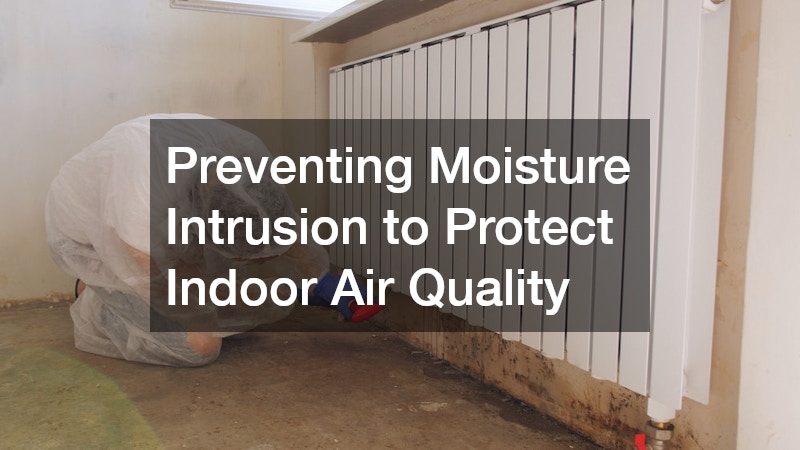
Excess moisture is one of the most common threats to a healthy home. When water is not properly directed away from the structure, it creates ideal conditions for mold, mildew, and structural deterioration. These issues often begin outside but quickly affect interior air quality and comfort.
One of the most effective ways to control moisture is through consistent gutter cleaning. When gutters become clogged with leaves, debris, or sediment, rainwater can overflow and seep into walls, basements, and crawl spaces. Over time, this hidden moisture can lead to musty odors and airborne irritants.
To reduce moisture-related risks:
- Inspect gutters at least twice a year, especially after heavy storms
- Check downspouts to confirm water is being directed away from the foundation
- Look for staining or peeling paint near rooflines or exterior walls
- Monitor basement and lower-level areas for dampness after rainfall
In addition to exterior checks, pay attention to interior warning signs such as condensation on windows, persistent humidity, or unexplained allergy symptoms. These indicators often suggest that water management outside the home needs attention.
By managing water flow effectively, homeowners can significantly reduce the likelihood of mold growth and protect the overall air quality inside the home.
Improving Indoor Comfort Through Smart Climate System Care
Temperature consistency and air circulation directly affect physical comfort, sleep quality, and overall wellness. A system that struggles to maintain balance can contribute to dry air, excessive humidity, or stagnant conditions that trap pollutants indoors.
Many homeowners rely on HVAC companies for periodic evaluations, but daily maintenance habits also play a major role in system performance. Simple actions, when done consistently, can help the system operate more efficiently and support healthier indoor conditions.
Practical maintenance steps include:
- Replacing air filters based on household activity, pets, and allergies
- Keeping vents and returns unobstructed by furniture or curtains
- Monitoring rooms for uneven heating or cooling
- Listening for unusual noises that may indicate airflow issues
In addition, seasonal checkups can help identify inefficiencies that may not be immediately noticeable. Dust buildup, worn components, or improper calibration can all affect how air moves through the home.
A well-maintained climate system supports:
- Improved air circulation
- More consistent temperatures
- Reduced airborne irritants
- Lower strain on mechanical components
These benefits contribute not only to comfort but also to a calmer, healthier indoor environment.
Maintaining Clean, Healthy Water Systems Inside the Home
Water quality and moisture control are closely linked to indoor wellness. Even minor leaks or aging pipes can introduce unwanted humidity, encourage mold growth, and compromise the cleanliness of household water.
Working with plumbing contractors can help identify issues that are easy to overlook, such as slow leaks behind walls or deteriorating pipe connections. However, homeowners can also monitor their systems by paying attention to subtle changes.
Common signs that water systems need attention include:
- Reduced water pressure in specific fixtures
- Discoloration or unusual taste in tap water
- Damp cabinets under sinks
- Unexplained increases in water bills
Preventive care actions to support healthier water use include:
- Inspecting visible pipes periodically for corrosion or moisture
- Addressing small drips promptly before they worsen
- Keeping drains clear to prevent backups and humidity buildup
- Scheduling routine inspections to catch issues early
Maintaining water systems helps limit excess moisture, supports cleaner water delivery, and reduces the likelihood of hidden damage that can affect indoor air quality over time.
Reducing Indoor Pollutants Through Proper Flooring Care
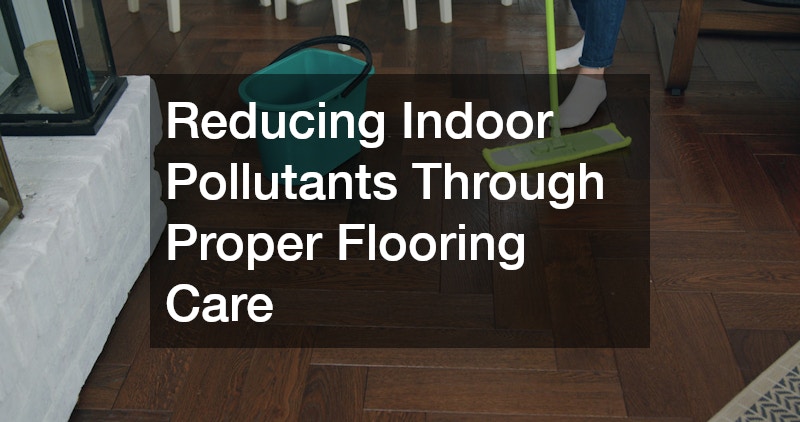
Flooring, especially soft surfaces, plays a major role in indoor cleanliness. Carpets can trap dust, allergens, pet dander, and bacteria deep within their fibers, even when they appear clean on the surface.
Regular vacuuming helps, but it is often not enough to remove embedded contaminants. Periodic deep maintenance through carpet cleaning services can significantly improve indoor air quality and reduce allergy triggers.
To maintain healthier flooring:
- Vacuum high-traffic areas multiple times per week
- Use entry mats to reduce dirt tracked indoors
- Address spills immediately to prevent staining and bacterial growth
- Schedule deep cleaning based on household needs, not just appearance
Households with pets, children, or allergy sensitivities may benefit from more frequent professional cleanings. Choosing methods that minimize chemical residue can also help maintain a healthier indoor environment.
Clean flooring contributes to:
- Reduced airborne particles
- Improved respiratory comfort
- A fresher overall living space
By prioritizing flooring care, homeowners can remove a major source of indoor pollutants.
Enhancing Safety and Wellness Through Electrical System Awareness
Electrical systems are often overlooked until a problem occurs, yet they play a critical role in safety and comfort. Outdated wiring or overloaded circuits can create hazards that affect both physical safety and peace of mind.
Electrical contractors are often called when issues escalate, but early awareness can prevent many problems. Knowing what warning signs to watch for allows homeowners to act before conditions become unsafe.
Common indicators of electrical stress include:
- Flickering or dimming lights
- Warm or discolored outlets
- Frequently tripped breakers
- Buzzing sounds near switches or panels
Maintenance-focused actions include:
- Avoiding overuse of extension cords
- Replacing damaged outlets or switches promptly
- Scheduling inspections in older homes
- Ensuring lighting supports both visibility and comfort
A stable electrical system contributes to safer lighting, reliable appliance operation, and reduced fire risk. Addressing concerns early supports a more secure and comfortable home environment.
Supporting Healthier Entryways and Indoor Boundaries
Entry points act as gateways between outdoor contaminants and indoor living spaces. Garages, in particular, can introduce exhaust fumes, dust, and moisture if not properly maintained.
A well-maintained residential garage door helps create a stronger barrier between the garage and the interior of the home. Gaps, worn seals, or poor insulation can allow pollutants to migrate indoors.
Steps to improve this boundary include:
- Inspecting door seals for cracks or gaps
- Confirming proper alignment and closure
- Keeping garage areas clean and well-ventilated
- Avoiding unnecessary idling of vehicles inside
Garages are often used for storage, which can further affect air quality. Proper sealing and maintenance help limit the transfer of unwanted particles into living spaces.
Strengthening entryway boundaries reduces exposure to pollutants and helps maintain cleaner indoor air.
Managing Natural Light and Heat for Indoor Comfort
Sunlight can enhance mood and warmth, but unmanaged exposure can also lead to overheating and glare. External shading plays a key role in balancing light and temperature throughout the day.
Working with awning companies allows homeowners to manage sunlight more effectively without blocking natural light entirely. Proper shading can reduce interior heat buildup and protect furnishings from UV damage.
Maintenance and planning considerations include:
- Inspecting shading structures for wear or damage
- Adjusting coverage based on seasonal sun angles
- Cleaning fabric or surfaces to maintain effectiveness
- Evaluating placement to support airflow and visibility
Effective shading supports:
- More consistent indoor temperatures
- Reduced reliance on cooling systems
- Improved comfort in sun-exposed rooms
Managing natural light thoughtfully helps create a balanced and pleasant indoor environment.
Preserving Window Integrity to Improve Air and Noise Control
Windows influence temperature stability, sound levels, and air movement inside the home. Compromised seals or damaged panes can allow drafts, allergens, and noise to enter living spaces.
Glass contractors often address visible damage, but homeowners should also watch for subtle signs of window deterioration.
Indicators that windows may need attention include:
- Condensation forming between panes
- Difficulty opening or closing
- Noticeable drafts near frames
- Increased outdoor noise indoors
Maintenance actions that support wellness include:
- Resealing gaps around frames
- Replacing cracked or fogged glass
- Cleaning tracks and hardware regularly
- Monitoring changes in room temperature near windows
Maintained windows help stabilize indoor conditions, reduce noise pollution, and limit the entry of outdoor contaminants.
Keeping Household Appliances From Affecting Air Quality
Household appliances can influence indoor air quality through heat, moisture, and ventilation. When appliances are not functioning properly, they may release excess humidity or circulate dust and particles.
Appliance repair services play a role in addressing mechanical issues, but homeowners can also support appliance health through regular upkeep.
Key maintenance steps include:
- Cleaning dryer vents to prevent moisture buildup
- Checking refrigerator seals for proper closure
- Inspecting dishwashers for leaks or residue
- Addressing unusual noises or odors promptly
Well-maintained appliances operate more efficiently and reduce strain on indoor air systems. This contributes to a more comfortable and predictable home environment.
Improving Outdoor Surfaces to Reduce Indoor Contaminants
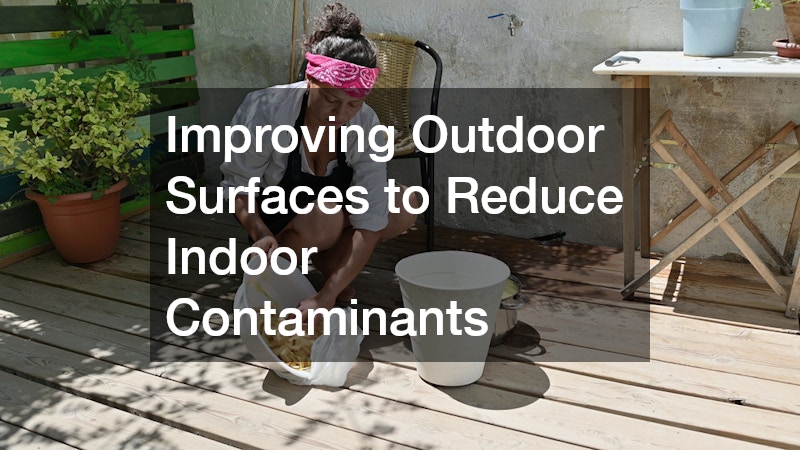
Outdoor surfaces affect what enters the home on shoes, wheels, and airflow. Cracked or uneven paths can collect dirt, water, and debris that are easily tracked indoors.
Working with a local paving company can help improve drainage and surface stability, reducing the amount of contaminants brought into the home.
Preventive exterior maintenance includes:
- Repairing cracks that collect standing water
- Smoothing uneven surfaces to reduce debris buildup
- Improving drainage near entryways
- Keeping walkways clean and free of loose material
Over time, maintaining these outdoor areas also makes daily cleaning inside the home easier and more effective. When walkways and driveways are stable and well-drained, less soil, grit, and moisture are carried indoors, which helps protect flooring and reduces the frequency of deep cleaning. This added layer of prevention is especially valuable during rainy seasons or in high-traffic households, where exterior conditions can quickly influence interior comfort. By giving attention to outdoor surfaces as part of a broader maintenance routine, homeowners can create a smoother transition between outside and inside, supporting a cleaner, more manageable living environment year-round.
Healthier living spaces are built through informed maintenance choices that prioritize prevention and consistency rather than short-term fixes. Every part of the home plays a role in shaping daily comfort, from how moisture is managed to how air circulates and how surfaces are maintained. When these systems are cared for with intention, they work together more effectively, creating an environment that feels cleaner, safer, and more balanced. Paying attention to early warning signs allows homeowners to respond before minor wear turns into disruption, helping preserve both comfort and peace of mind.
Small actions taken at the right time often have an outsized impact. Addressing subtle changes in airflow, humidity, or surface conditions can prevent issues that would otherwise affect sleep quality, indoor air, and overall ease of living. Understanding how different elements of the home interact also makes maintenance feel more purposeful. Instead of reacting to problems as they arise, homeowners gain clarity about where attention matters most and how routine care supports long-term wellness.
Thoughtful maintenance is not about constant repairs or chasing perfection. It is about making intentional decisions that protect the quality of the space you rely on every day. By committing to steady, informed upkeep, homeowners can create living environments that remain supportive, comfortable, and resilient over time, allowing the home to function not just as shelter, but as a foundation for healthier daily living.