
The past decade has dramatically expanded what families can choose for their children’s learning. Where previous generations often followed a straightforward path—neighborhood school, occasional tutoring, and graduation—today’s parents are navigating a complex, sometimes overwhelming world of options. Public, private, charter, hybrid, online, faith-based, specialized, and alternative programs each promise something valuable. Yet knowing which opportunities truly fit your child’s personality, needs, and goals can feel like making a decision that shapes their entire future.
At the same time, parenting has become more research-driven. Families want environments that support emotional development, critical thinking, collaboration, and resilience—not just academic test results. They are asking deeper questions about teachers, class sizes, learning philosophies, technology use, social supports, and preparation for real-world problem-solving. As conversations expand, selecting among the many education choices requires both clarity and confidence.
This guide helps parents understand the landscape, ask the right questions, and evaluate programs with intention. From early childhood through middle school, it explores how different environments operate, how learning philosophies differ, and how to align opportunities with your child’s strengths. Whether you’re searching for a nurturing space for a toddler, extended care after school, or a setting that supports creativity, culture, or global awareness, the goal is not simply choosing a school—it is understanding how every decision shapes growth, belonging, and long-term curiosity. With knowledge, realistic expectations, and a thoughtful approach, families can feel prepared to make informed decisions about their children’s learning journeys.
Understanding the Landscape of Modern Schooling
Families today encounter more specialized programs than ever before. Magnet schools emphasize science or language immersion, charter schools highlight innovation or flexibility, and traditional campuses continue to serve as community anchors. Even within the arts, families may find dedicated environments such as performing arts academies, where dance, theater, and music are woven into daily coursework. These schools create opportunities for children who learn best through creativity, collaboration, and performance.
However, specialization should never overshadow foundational skills. One trap parents fall into is assuming that a school focused on a particular talent automatically guarantees academic excellence. A more balanced perspective considers teacher qualifications, student support systems, and communication with families. The best schools integrate artistic or thematic strengths while maintaining rigorous expectations around reading, writing, and mathematics.
For many households, the right path emerges when they step back and compare big-picture priorities. Do you want structure or flexibility? Competitive or collaborative environments? A school that mirrors your values or exposes your child to new perspectives? As parents sort through these education choices, visiting campuses, asking questions, and watching how teachers interact with students often reveals more than brochures ever could. A thoughtful, observant approach helps ensure that excitement about a program aligns with the daily realities your child will experience.
Evaluating Early Childhood Foundations
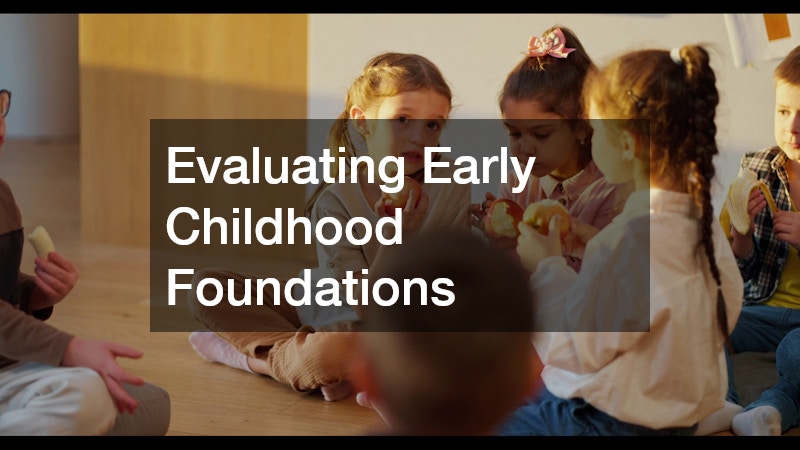
A child’s earliest learning experiences shape language, social confidence, curiosity, and emotional regulation. For that reason, many families spend significant time exploring options like a local early learning center that emphasizes play-based exploration. These environments are not simply babysitting—they provide exposure to stories, sensory activities, songs, guided play, and early problem-solving.
High-quality early programs focus on relationships first. Children thrive when they feel safe, noticed, and supported, especially when they are still learning to navigate emotions and transitions. Parents should look for compassionate teachers who speak gently, model patience, and encourage independence. Classrooms should be organized, clean, and filled with opportunities for imaginative play, open-ended art, and age-appropriate challenges.
As families compare education choices during the preschool years, one key question often arises: What will my child truly gain? Early learning should foster curiosity rather than pressure. It should invite children to experiment, make mistakes, ask questions, and develop empathy. Parents can also ask how teachers handle transitions, toileting, and conflict resolution, because these daily moments reveal as much about quality as the curriculum itself. Programs that communicate regularly with families, share observations, and invite parents to participate build continuity between home and school and create a stronger foundation for long-term growth.
Balancing Academics and Enrichment Beyond the Bell
School days end earlier than many workdays, which is why parents frequently depend on an afterschool program. But these programs can offer much more than supervision. Strong after-school environments provide homework help, STEM activities, arts and crafts, sports, and social time in structured, positive ways. They give children the chance to develop friendships with peers from different grades and backgrounds.
Parents should observe how staff members support behavior expectations and how they communicate with families. Are activities engaging, varied, and purposeful? Do children seem relaxed and happy, not overstimulated or bored? Are there consistent routines that help them feel secure after a long academic day? Families may also want to ask about staff training, student-to-adult ratios, and how programs encourage responsibility without adding unnecessary pressure.
As families weigh education choices, programs that extend learning without overwhelming children can be invaluable. Instead of viewing after-school time as an extra obligation, look for environments that spark curiosity, build leadership, and offer opportunities for creativity or movement—key elements for healthy development outside the classroom hours. A thoughtful, well-run program can reinforce confidence, provide meaningful social connections, and give parents peace of mind that their children are spending time in a safe, supportive space.
Considering Different Preschool Philosophies
Preschool philosophies vary widely. Some emphasize structure and readiness skills, while others prioritize open-ended exploration. When visiting a private preschool, parents often find smaller class sizes, individualized attention, and unique curricula. These programs sometimes integrate language exposure, character development, or nature-based learning into the day, giving children more varied ways to express themselves and process information.
A thoughtful approach means understanding both your child’s temperament and the program’s expectations. Highly structured environments may be wonderful for children who crave routine, while exploratory models benefit students who thrive when given independence. Neither approach is universally “better”—what matters most is alignment and how consistently the school supports social-emotional development alongside early academics.
As you continue narrowing education choices, try to observe real classroom moments. Are children encouraged to speak up, share ideas, and collaborate? Do teachers support conflict resolution in constructive ways rather than relying on punishment? Preschool should build a bridge between home and school, helping children feel confident stepping into more formal learning later on, while still preserving the joy and curiosity that make early childhood such a formative stage.

Exploring Cultural and Faith-Based Options
Some families seek environments that reflect heritage, faith, or identity. A jewish preschool, for example, might combine language, cultural traditions, and celebrations with play-based academic foundations. Parents often value the sense of community and shared values, especially when extended family traditions remain important, and they appreciate schools that invite families to participate in celebrations, service projects, or cultural learning events.
Still, every faith-based setting is unique. Curriculum quality, inclusivity, and teacher training vary dramatically across campuses. Parents should ask whether diversity is welcomed, how holidays are celebrated, and how educators approach ethical and social development. Children benefit when culture enriches learning rather than limiting perspective, especially when teachers intentionally connect traditions to kindness, empathy, and everyday problem-solving.
When comparing education choices that include cultural components, look for programs that balance identity with curiosity. The best environments ground children in their roots while teaching respect for others—a lesson that becomes crucial as students move into broader academic communities and learn to collaborate with peers from many backgrounds.
Supporting the Youngest Learners Safely
Families welcoming an infant back into a structured routine often search for a trustworthy infant care program. Safety is the top priority: sanitation practices, secure check-in procedures, safe sleep policies, and trained caregivers should all be non-negotiable. Parents should also pay attention to how staff members talk to babies, respond to cries, and nurture emerging communication.
High-quality infant programs recognize that even the youngest children are active learners. Gentle sensory play, tummy-time exploration, music exposure, and responsive caregiving encourage brain development and attachment. Daily communication—photos, progress notes, or quick conversations at pick-up—helps families feel included and informed.
As parents navigate these early education choices, it becomes clear that quality infant care sets the tone for long-term trust. Programs that communicate clearly, welcome questions, and partner with families build comfort that continues as babies grow into toddlers and beyond.
Navigating Global and Bilingual Paths
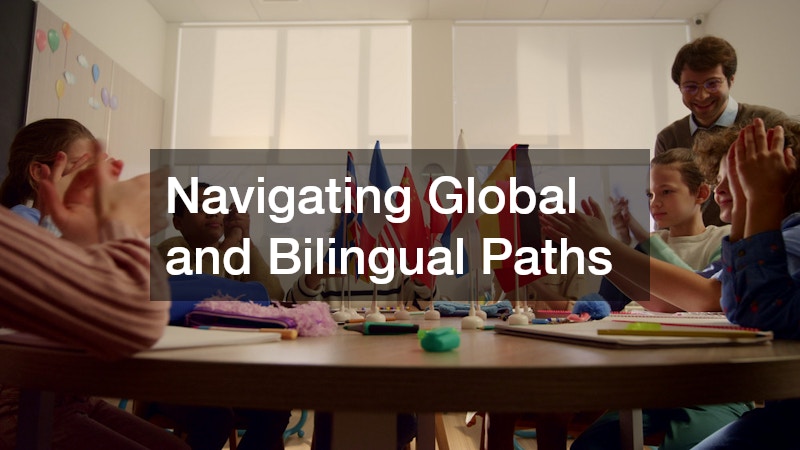
In a world where communication stretches across borders, many parents are intrigued by bilingual or globally focused schools. An international childrens school might expose students to multiple languages, cross-cultural learning, and global problem-solving from an early age. These environments encourage empathy, adaptability, and curiosity about other cultures.
However, success depends on consistency and support. Parents should ask whether teachers are native speakers, how language exposure is structured, and how students who join later are supported. Clear expectations help children thrive rather than feel overwhelmed.
As families evaluate education choices in a globally connected era, they must consider both aspiration and practicality. Not every child adapts to bilingual learning at the same pace—but those who do often develop impressive communication skills, stronger cognitive flexibility, and a deeper appreciation for the world beyond their neighborhood.
Finding Gentle Transitions into Kindergarten
Before kindergarten, parents sometimes explore lists of the best nursery schools to ease children into group learning. These schools typically emphasize independence, early literacy exposure, fine-motor activities, and positive social play. A gentle transition matters, especially for children who have not had much group experience.
Look closely at how teachers introduce routines such as lining up, cleaning up, and sharing materials. Environments that model patience and provide reassurance help children feel capable rather than pressured. Outdoor play, storytelling, and imaginative centers should balance emerging academic expectations.
Within broader education choices, nursery programs work best when they collaborate closely with families. Parent-teacher communication, clear expectations, and a supportive atmosphere prepare children emotionally and socially—skills just as vital as letter recognition or counting.
Building Bridges Between Preschool and Elementary Years
The transition into pre k serves as a bridge between playful exploration and structured academics. Quality programs introduce phonics, early math concepts, and simple project-based learning while still protecting time for play, creativity, and hands-on discovery. They help children practice listening, following directions, and working in small groups.
Parents should notice how teachers differentiate instruction. Do they challenge advanced learners without leaving others behind? Do they celebrate small successes and encourage persistence when tasks feel difficult? Emotional safety fuels academic growth, particularly during this transitional stage.
Thoughtful education choices in the pre-K year emphasize readiness rather than pressure. When children feel supported, they approach kindergarten with excitement and confidence—ready not only to learn but to participate, contribute, and collaborate.
Preparing for Growth in the Middle Grades
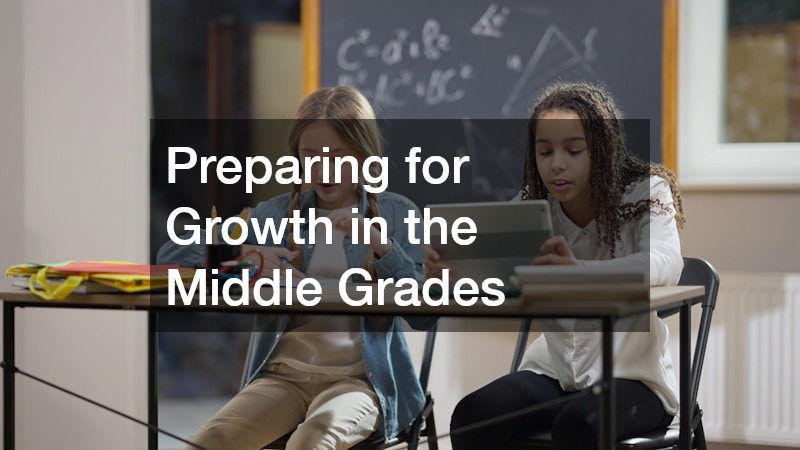
As children grow, families begin to consider settings like private middle schools that promise smaller environments or specialized programs. These years are marked by rapid emotional, social, and cognitive change. Students need mentors, structured guidance, and opportunities to explore emerging interests—from athletics and technology to leadership and community service.
Parents should prioritize schools that teach organization, study skills, responsible technology use, and healthy peer relationships. Ask how teachers communicate with parents, handle conflict, and support students through academic challenges. Middle school should prepare young adolescents not only for high school readiness but also for responsibility and resilience.
Because adolescence brings new pressures, the right school helps children develop identity and purpose. For many families, middle-grade education choices focus on finding environments that feel both challenging and nurturing—spaces where students can stretch without feeling lost.
Bringing It All Together: Making Confident Decisions
Choosing where and how children learn is one of the most personal decisions a parent makes. No single path works for every child, which is why exploring different education choices should involve patience, open conversation, and reflection. Visit schools, observe classrooms, talk with other families, and trust your instincts about how your child responds in each environment. When the focus remains on curiosity, kindness, and growth, the right decision becomes easier to recognize.
Ultimately, the best educational journey is not defined by prestige or labels. It is shaped by connection, support, and the belief that children learn best when they feel safe, encouraged, and inspired—today and in every stage ahead.