Practical Strategies for Sandwich Generation Caregiving Without Burnout requires more than good intentions—it demands structure, planning, and realistic expectations. Adults who find themselves supporting aging parents while simultaneously raising children are often stretched emotionally, financially, and physically. This dual responsibility can feel relentless, especially when work obligations, household management, and personal health are layered on top. Many caregivers report feeling torn between competing needs, uncertain about how to prioritize, and guilty no matter where their attention lands.
At its core, sandwich generation caregiving is not a short-term challenge. It is often a multi-year phase of life that evolves as children grow and parents’ needs change. Without deliberate systems in place, caregivers may experience chronic stress, decision fatigue, strained relationships, and eventual burnout. Preventing that outcome requires shifting from a reactive mindset to a proactive one—building routines, support networks, and boundaries that protect long-term wellbeing.
This guide focuses on practical, sustainable strategies designed to help caregivers stay engaged without becoming depleted. Rather than offering quick fixes, it addresses the reality of balancing multiple generations with clarity and intention. Each section explores one dimension of caregiving life, from emotional load management to logistical planning, helping readers create a framework that supports both the people they love and themselves.
Defining Clear Roles and Expectations Across Generations
One of the most overlooked causes of burnout in sandwich generation caregiving is the absence of clearly defined roles. When expectations remain vague, caregivers often absorb responsibilities by default. Over time, this can lead to resentment, exhaustion, and conflict among siblings, spouses, and extended family members. Establishing clarity early allows everyone involved to understand who is responsible for what—and just as importantly, what is not expected of one person alone.
Start by identifying the specific needs of each generation. Aging parents may require transportation, medication management, appointment coordination, or emotional support. Children may need academic oversight, childcare logistics, and consistent routines. Writing these needs down transforms abstract stress into tangible tasks. From there, responsibilities can be divided in a way that aligns with each family member’s availability and strengths.
Communication is essential in this process. Caregivers should initiate structured conversations rather than relying on assumptions. This includes discussing financial contributions, time commitments, and emergency responsibilities. In families with siblings, distributing tasks prevents one person from becoming the default problem solver. Even small contributions from others—such as handling paperwork or making weekly check-in calls—can significantly reduce the primary caregiver’s load.
For families with younger children, external community support can also play a role. Involvement in a church for young families may provide emotional reinforcement, childcare support, and social connection without adding pressure. These environments often normalize caregiving stress and reduce isolation, which is a key factor in burnout prevention. As caregiving needs evolve, roles should be revisited regularly. Sandwich generation caregiving is dynamic, and flexibility paired with transparency ensures that expectations remain fair and manageable over time.

Managing Emotional Load Without Internalizing Guilt
Emotional labor is one of the heaviest and least visible aspects of sandwich generation caregiving. Caregivers are often not just managing tasks but also absorbing the emotions, fears, and frustrations of multiple generations. This can create a constant sense of guilt—guilt about not doing enough, not being present enough, or needing personal time. Recognizing emotional load as a legitimate form of work is the first step toward managing it effectively. Caregivers frequently minimize their own stress because they believe others “have it worse.” Over time, this mindset erodes resilience. Emotional exhaustion does not require a crisis to be valid; it accumulates through daily pressure.
Establishing emotional boundaries does not mean withdrawing care. It means acknowledging that you cannot fix every feeling or outcome. For example, aging parents may struggle with loss of independence, while children may express frustration over divided attention. Listening with empathy is important, but taking ownership of their emotional states is not sustainable.
Professional support can be invaluable here. Speaking with a counselor or therapist who understands multigenerational stress provides a neutral space to process complex emotions. Many caregivers also benefit from routine health check-ins with a family practice provider, where stress, sleep quality, and mental health can be addressed as part of overall wellness rather than as isolated concerns. Emotional resilience in sandwich generation caregiving improves when caregivers permit themselves rest without justification. Scheduling guilt-free breaks, practicing realistic self-talk, and recognizing emotional limits all contribute to long-term stability. Burnout is not a failure of commitment; it is often the result of unacknowledged emotional overload.
Coordinating Childcare and Early Development Decisions
Balancing the needs of young children while caring for aging parents creates constant scheduling pressure. School drop-offs, pediatric appointments, and developmental milestones all require attention at the same time that parental caregiving demands increase. Without intentional systems, caregivers can feel perpetually behind.
Reliable childcare is foundational. Whether families rely on relatives, paid providers, or structured programs, consistency reduces decision fatigue. Choosing the best day care option is not about perfection; it is about dependability, safety, and alignment with family schedules. When caregivers trust their childcare arrangement, they regain mental space to address other responsibilities without constant worry. Early education decisions also play a role. A structured preschool program can provide children with stability, social development, and routine while giving caregivers predictable time blocks for work or caregiving tasks. These programs support children’s independence, which becomes increasingly important when parental attention is divided across generations.
Healthcare coordination for children should also be streamlined. Establishing ongoing relationships with local pediatric dentists and other pediatric providers minimizes last-minute appointments and reduces the risk of overlooked preventive care. Scheduling routine visits well in advance and keeping shared digital calendars helps caregivers stay organized. In sandwich generation caregiving, the goal is not to do everything personally but to build reliable systems. Delegating childcare decisions to trusted providers allows caregivers to remain emotionally present for their children without becoming logistically overwhelmed.
Planning for Aging Parents’ Housing and Care Needs
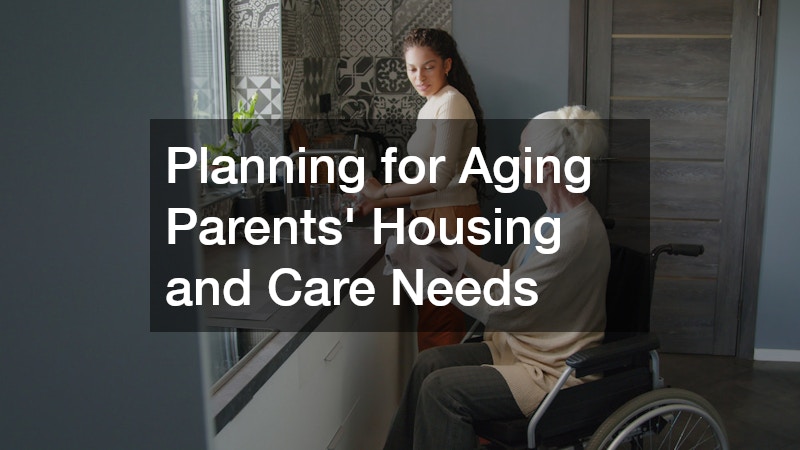
One of the most complex decisions in sandwich generation caregiving involves determining appropriate living arrangements for aging parents. These decisions are often emotionally charged and influenced by cultural expectations, financial realities, and family dynamics. Avoiding crisis-driven choices requires early planning and open dialogue.
Assessing current and future needs is critical. Some parents may thrive independently with minimal support, while others require increasing assistance. Exploring options such as assisted living allows families to understand available services before urgency sets in. Touring facilities, discussing costs, and understanding levels of care in advance reduces stress when transitions become necessary.
Beyond physical housing, understanding assisted living services helps caregivers evaluate whether these environments align with their parents’ medical and social needs. Services may include medication management, meals, transportation, and social programming—support systems that reduce the caregiver’s daily burden while preserving dignity for older adults.
Conversations about housing should involve parents whenever possible. Including them in decision-making respects autonomy and reduces resistance. While these discussions may be uncomfortable, postponing them often leads to rushed decisions during medical emergencies. Planning also allows caregivers to protect their own bandwidth. Sandwich generation caregiving becomes more sustainable when parents’ needs are met through structured support rather than constant crisis management. Thoughtful housing decisions can significantly reduce emotional strain over time.
Simplifying the Home Environment to Reduce Daily Stress
Physical clutter contributes directly to mental overload. In households supporting multiple generations, clutter accumulates quickly—children’s items, medical supplies, paperwork, and inherited belongings all compete for space. Simplifying the environment is not about aesthetics; it is about reducing friction in daily life. When physical spaces feel chaotic, caregivers often experience heightened stress, reduced focus, and a constant sense of being behind, even when they are working nonstop.
Start by identifying areas that create recurring stress. Overcrowded garages, storage rooms, or spare bedrooms often become dumping grounds for unresolved decisions. These spaces can quietly drain mental energy because they represent tasks that feel unfinished. Utilizing a storage facility can provide temporary relief while families determine long-term plans. This approach creates breathing room without forcing immediate emotional decisions about possessions, especially when items hold sentimental value or belong to aging parents who are not ready to part with them.
When downsizing or transitioning parents into new living arrangements, engaging junk removal businesses can ease the logistical burden. Professional services handle physical labor efficiently, which reduces the risk of injury and prevents exhaustion from compounding emotional stress. This support allows caregivers to focus on communication, coordination, and emotional reassurance rather than being overwhelmed by physically demanding tasks.
Children’s needs also contribute to household volume. Sourcing essentials from baby furniture stores that prioritize functionality and safety over excess helps prevent accumulation. Selecting multipurpose or adjustable items minimizes turnover as children grow, which reduces both clutter and decision fatigue over time. Establishing regular decluttering routines—such as seasonal reviews—also prevents buildup before it becomes unmanageable. A simplified home supports clarity. In sandwich generation caregiving, reducing environmental stressors preserves energy for caregiving itself rather than constant maintenance, allowing daily life to feel more stable and intentional.

Protecting Physical Health Through Preventive Routines
Caregivers often neglect their own physical health while attending to others. Over time, skipped appointments, poor sleep, and chronic stress take a measurable toll. Sustaining sandwich generation caregiving requires intentional investment in physical well-being.
Routine medical care should be non-negotiable. Regular check-ups, preventive screenings, and sleep hygiene are foundational, not optional. Fatigue impairs judgment, increases irritability, and reduces resilience—conditions that compound caregiving challenges. Movement and nutrition should be framed as maintenance rather than self-indulgence. Short walks, consistent meals, and hydration significantly impact energy levels. These habits are easier to sustain when integrated into daily routines rather than treated as additional obligations.
Physical boundaries matter as well. Caregivers must recognize when tasks exceed their physical capacity and seek assistance. Lifting, prolonged standing, and sleep deprivation increase injury risk, especially over extended caregiving periods. Sustainable sandwich generation caregiving depends on recognizing that physical health enables caregiving continuity. Protecting one’s body is not selfish; it is essential to long-term support for loved ones.
Building Long-Term Sustainability Through Support Networks
No caregiving strategy succeeds in isolation. Sustainable sandwich generation caregiving depends on layered support systems that evolve over time. Relying solely on personal endurance is a primary predictor of burnout because it places unrealistic pressure on one individual to meet constantly shifting needs across multiple generations. Even the most capable caregivers benefit from shared responsibility and external reinforcement.
Support networks may include family members, close friends, community groups, healthcare providers, and professional services. The key is diversification rather than dependence on a single source. When one support option becomes unavailable due to illness, scheduling conflicts, or emotional strain, other resources provide continuity. This redundancy prevents crises from escalating simply because help is temporarily inaccessible.
Emotional support is equally important and often overlooked. Caregivers benefit from relationships where they are not defined solely by responsibility or problem-solving. Maintaining friendships, participating in social activities, or engaging in peer support groups reinforces identity beyond caregiving roles. These connections help caregivers process stress without judgment and restore perspective during overwhelming periods.
Long-term sustainability also requires periodic reassessment. Needs change, resources shift, and caregiving intensity fluctuates. What worked six months ago may no longer be effective. Regularly reviewing responsibilities and adjusting expectations allows caregivers to adapt without self-blame. Asking for help is not a failure; it is a strategic response to complexity that protects long-term well-being. By cultivating layered support, caregivers create resilience that extends beyond any single phase. Sandwich generation caregiving becomes more manageable when responsibility is shared, communication is open, and support is normalized rather than treated as a last resort.
Reframing Caregiving as a Managed Season, Not a Permanent Crisis
The final step in avoiding burnout is reframing perspective. Sandwich generation caregiving often feels endless, but it is a season with distinct phases. Viewing it as a managed responsibility rather than a constant emergency changes decision-making. Planning, boundaries, and flexibility transform chaos into structure. Caregivers who approach this phase strategically are better positioned to maintain health, relationships, and personal identity.
This reframing allows caregivers to release unrealistic expectations. Perfection is neither attainable nor necessary. What matters is sustainability—making choices that protect everyone involved over time. When caregivers accept that limits are part of effective care, they regain agency. Sandwich generation caregiving becomes less about sacrifice and more about stewardship, ensuring that care continues without consuming the caregiver themselves.