
Adopting a puppy can be one of the most exciting and rewarding decisions a person or family can make. Puppies bring energy, companionship, and affection into a home, often becoming beloved members of the family. However, bringing home a young dog is also a long-term commitment that requires preparation, responsibility, and thoughtful planning. Many new pet owners underestimate the level of care and attention puppies need during their early months of development.
Before adopting a puppy, it is important to understand the responsibilities involved in raising a healthy and well-adjusted dog. Puppies require regular healthcare, consistent training, safe living conditions, and proper supervision. They also need structure and routine in order to grow into confident and well-behaved adult dogs. Preparing ahead of time allows new owners to create a stable environment where their puppy can thrive.
Build a Strong Foundation for Your Puppy’s Long-Term Health
One of the most important responsibilities of puppy ownership is ensuring that your dog receives proper medical care from the very beginning. Establishing a relationship with a veterinarian early in your puppy’s life allows you to monitor their growth, prevent illness, and address potential health concerns quickly. Regular visits provide guidance on vaccinations, parasite prevention, nutrition, and developmental milestones.
Young puppies typically require several rounds of vaccinations within their first few months of life. These vaccines help protect them from common and potentially serious diseases such as parvovirus, distemper, and rabies. During early visits, a veterinarian will also perform wellness exams to evaluate your puppy’s overall condition and ensure they are developing properly.
In addition to vaccinations, routine checkups help owners learn how to properly care for their pet health. A veterinary professional can provide valuable advice on feeding schedules, safe exercise levels, grooming needs, and behavioral development. These conversations often help prevent small issues from becoming larger problems later.
A professional veterinary service also plays an important role in preventive care. Preventive treatments may include flea and tick protection, heartworm medication, and dental care recommendations. Maintaining these routines protects puppies from illnesses that can affect their quality of life.
When preparing for your first veterinary visit, new pet owners may want to consider several helpful steps:
- Schedule an appointment shortly after bringing your puppy home.
- Bring any medical records provided by the breeder or adoption center.
- Ask questions about diet, vaccinations, and parasite prevention.
- Discuss spaying or neutering timelines if recommended.
Developing a consistent healthcare routine early in your puppy’s life sets the stage for long-term wellbeing. Regular visits help ensure that your puppy remains healthy while giving you the guidance needed to confidently care for your pet.
Prepare for Unexpected Health Situations Before They Happen
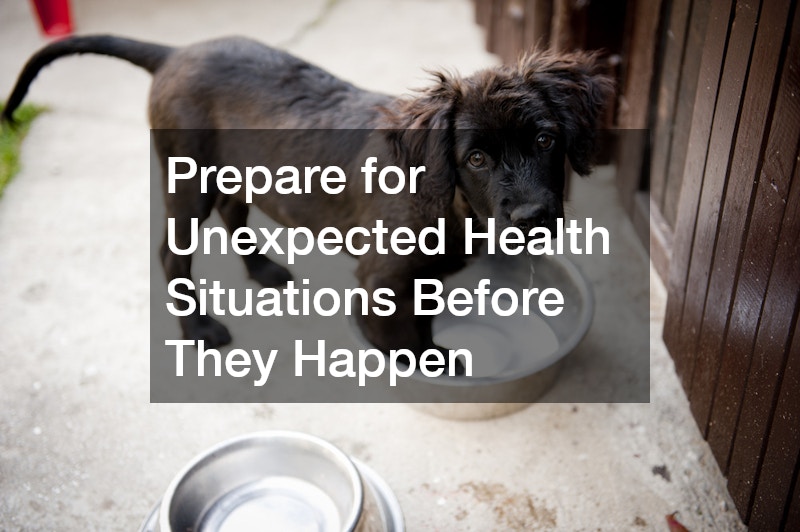
Even with careful supervision, puppies are naturally curious animals that explore their surroundings through chewing, sniffing, and investigating unfamiliar objects. Because of this curiosity, accidents or health emergencies can occasionally occur. Responsible pet owners should be prepared for these situations before they arise.
One of the most important steps is identifying where to find a reliable emergency vet service in your local area. Many veterinary clinics offer after-hours emergency care, while others may refer patients to specialized facilities. Knowing where to go ahead of time can save valuable time during urgent situations.
A nearby animal hospital is typically equipped to handle serious medical emergencies such as injuries, poisoning, breathing difficulties, or sudden illness. These facilities often have specialized equipment and trained staff available around the clock to provide immediate treatment.
Puppy owners should be aware of common warning signs that require urgent attention. While not every symptom indicates a serious problem, certain behaviors should never be ignored.
Some situations that may require emergency veterinary care include:
- Persistent vomiting or diarrhea
- Difficulty breathing or excessive coughing
- Ingestion of toxic foods or household chemicals
- Sudden weakness, collapse, or seizures
- Visible injuries or heavy bleeding
Preparing for emergencies also involves keeping important information readily available. Pet owners should store contact details for their regular veterinary clinic, a nearby animal hospital, and any emergency veterinary providers in their phone or household emergency list.
Other helpful preparations include:
- Keeping a basic pet first aid kit at home
- Learning basic pet first aid techniques
- Monitoring your puppy closely during outdoor play
- Keeping harmful substances out of reach
Planning for emergencies may seem overwhelming, but it significantly improves your ability to respond quickly and effectively. Being prepared helps protect your puppy’s safety and provides peace of mind for new pet owners.
Commit to Training Early to Encourage Positive Behavior
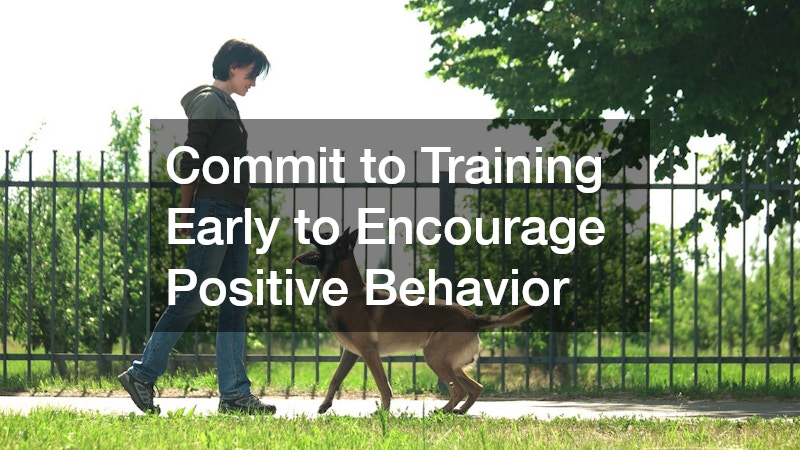
Training is one of the most important investments you can make in your puppy’s future. Puppies begin learning from their environment almost immediately, which means early guidance is essential for shaping good habits and preventing behavioral problems.
Enrolling your puppy in dog obedience training classes can provide structure during this important developmental stage. These classes typically teach foundational skills such as basic commands, leash manners, and socialization with other dogs and people. Early exposure to different environments and situations helps puppies become more confident and adaptable as they grow.
Professional dog trainers often guide both the puppy and the owner through the learning process. Training is not only about teaching commands; it also helps owners understand how dogs communicate and respond to different cues. This knowledge allows pet owners to reinforce positive behavior consistently at home.
A well-trained puppy is easier to manage in everyday situations and is more likely to behave calmly in public environments. Training also helps prevent common issues such as excessive barking, destructive chewing, and jumping on guests.
Many training programs emphasize positive reinforcement techniques that reward good behavior. This method helps puppies associate training with enjoyable experiences and encourages them to repeat desired behaviors.
Some essential skills that puppies typically learn during training include:
-
- Responding to basic commands such as sit, stay, and come
- Walking calmly on a leash
- Socializing safely with other dogs and people
<li
Developing impulse control during play
Pet owners can support training efforts by practicing lessons regularly at home. Consistency and patience are key to helping puppies understand expectations and build confidence.
Early training lays the foundation for a lifelong bond between dog and owner. By investing time in structured learning experiences, pet owners help their puppies develop into well-behaved companions.
Plan for Care When You’re Away From Home
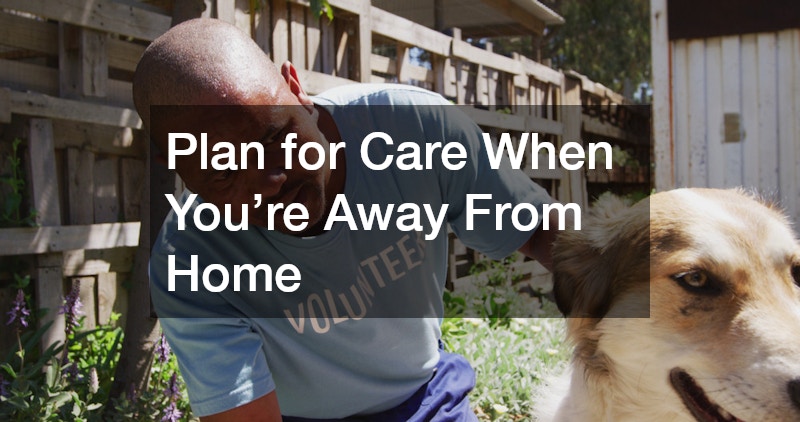
Even the most dedicated pet owners occasionally need to travel, work long hours, or attend events that prevent them from caring for their puppy temporarily. Planning ahead for these situations ensures that your pet remains safe and comfortable when you cannot be present.
Many owners choose professional pet boarding services when they need overnight or extended care for their pets. Boarding facilities provide supervised environments where dogs receive food, exercise, and social interaction while their owners are away.
When evaluating boarding options, it is important to research facilities carefully. Cleanliness, safety procedures, and staff experience all play important roles in providing a positive experience for your pet.
Responsible boarding facilities typically offer:
- Regular feeding schedules based on each dog’s dietary needs
- Supervised playtime and exercise
- Comfortable sleeping areas
- Monitoring for signs of illness or stress
Maintaining sanitary conditions is also a critical factor in shared pet environments. Facilities should prioritize cleanliness and consistent pet waste removal practices to help prevent the spread of bacteria and parasites.
Pet owners may also want to consider alternative care options depending on their puppy’s personality and needs. Some families rely on trusted friends or relatives, while others hire professional pet sitters who care for dogs in the home.
Before leaving your puppy with any caregiver, it is helpful to provide detailed instructions regarding feeding routines, medications, and behavioral preferences. Familiar toys or blankets can also help reduce stress during temporary separations.
Planning for temporary care allows puppies to remain comfortable and safe while maintaining their daily routines.
Create a Safe and Well-Maintained Living Environment
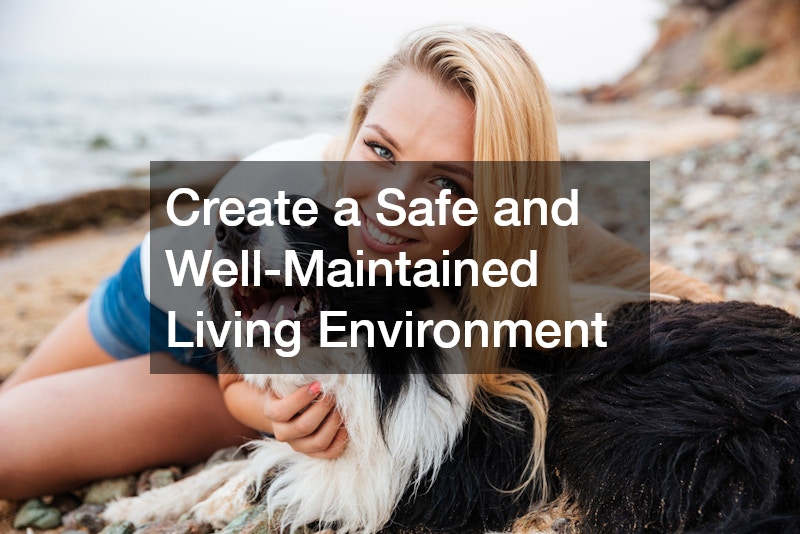
Puppies are naturally curious animals that investigate their surroundings with enthusiasm. While this curiosity is part of their charm, it also means that pet owners must take steps to ensure their home environment is safe and secure.
Preparing your living space before bringing a puppy home can prevent accidents and protect both your pet and your belongings. This preparation includes removing hazardous objects, securing loose cords, and creating designated areas for rest and play.
Outdoor environments also require careful attention. Yards and gardens should be inspected for potentially dangerous items, including tools, chemicals, or heavy machinery. Homes located on rural properties may store farm equipment, which should always be secured and kept out of reach of pets.
Maintaining a clean outdoor space is also important for hygiene and health. Regular pet waste removal helps reduce bacteria and parasites that can affect both pets and humans.
Other steps to improve safety around your home include:
- Storing cleaning products and chemicals in secure cabinets
- Installing baby gates to restrict access to unsafe areas
- Providing chew toys to discourage destructive behavior
- Ensuring fences and gates are properly secured
Creating a safe environment allows puppies to explore their surroundings without unnecessary risks. It also helps them develop healthy habits while giving owners peace of mind.
A well-prepared home makes the transition smoother for both the puppy and the household.
Bringing a new puppy into your home is undoubtedly a heartwarming and transformative experience. The delight of seeing a playful, furry friend bouncing around is matched by the deep bond that begins to form from the first wag of their little tail. However, this joyful addition to your life is accompanied by significant responsibilities that every prospective pet owner should consider with care and foresight. Embarking on this journey means preparing for the multifaceted aspects of puppy care, ranging from healthcare necessities and rigorous training routines to ensuring their safety at all times. It’s a commitment that demands both patience and dedication, as well as a readiness to make thoughtful preparations that will foster a nurturing environment for your new family member.
Understanding what awaits you before your puppy steps through your front door is crucial in building a home where your new companion can flourish. A puppy’s early days are critical in shaping their health and behavior, so it’s essential to be well-prepared in various aspects. This includes organizing for timely medical care, being equipped to handle any emergencies that might arise, and investing time and effort into diligent behavioral training that facilitates positive habits. Moreover, providing safe living conditions is paramount to protect your puppy from potential hazards and to ensure they feel secure in their environment. Attending to these needs diligently ensures that your puppy will not only survive these formative years but truly thrive, setting the stage for a fulfilling life together.
When armed with thorough preparations and a genuine willingness to learn and adapt, the experience of adopting a puppy can blossom into a source of immense joy and satisfaction. The years ahead will be filled with the unwavering companionship, steadfast loyalty, and boundless happiness that your new pet brings. The joy of watching your puppy grow into a well-adjusted and beloved member of your family is unmatched, and the unconditional love and companionship they offer enrich the lives of everyone around them. By embracing these responsibilities with an open heart and mind, you pave the way for a beautiful and enduring relationship that will provide countless cherished memories for both you and your furry friend.