

Most people assume the air inside their home is cleaner than the air outside. In reality, indoor air can often be more polluted due to limited ventilation and the buildup of everyday contaminants. If you’ve ever noticed lingering odors, frequent allergies, or a general sense of stuffiness, your indoor environment may be working against you.
Improving air quality isn’t about a single fix. It’s the result of consistent habits, smart maintenance, and understanding where problems begin. The good news is that even small adjustments can make a noticeable difference over time.
Identify the Hidden Sources of Indoor Air Pollution
Indoor air problems rarely come from a single obvious source. Instead, they build slowly through a combination of overlooked factors. Dust settles into corners, moisture hides behind walls, and airborne particles circulate through your home without you noticing.
A useful first step is to think about how air moves through your space. Does it feel stale in certain rooms? Are there areas that seem harder to keep clean? These subtle clues often point to deeper issues.
In some cases, problems originate from areas you can’t easily see. For example, excess moisture behind drywall or under flooring can lead to mold growth long before it becomes visible. Scheduling a mold inspection can help uncover these hidden risks early, especially if you’ve experienced water damage or persistent humidity.
Beyond mold, consider everyday contributors:
- Cooking without ventilation
- Using chemical cleaning products
- Pet dander and shedding
- Dust accumulation in rarely cleaned spaces
The goal here isn’t to eliminate every particle—that’s unrealistic—but to become aware of where pollutants originate so you can address them proactively.
Keep Your HVAC System Clean and Efficient
Your HVAC system plays a central role in air quality. It doesn’t just heat or cool your home—it circulates the air you breathe. When it’s clean and functioning properly, it helps filter out contaminants. When it’s neglected, it can do the opposite.
Think of your system as the lungs of your home. If those “lungs” are clogged, everything else suffers.
One of the most effective steps you can take is scheduling a duct cleaning service. Over time, dust, debris, and even mold spores can accumulate inside ductwork. Every time the system runs, those particles are pushed back into your living space.
In addition to professional cleaning, regular maintenance makes a significant difference:
- Replace air filters every 1–3 months, depending on usage
- Use high-quality filters designed to capture smaller particles
- Keep vents unobstructed by furniture or rugs
- Pay attention to unusual smells when the system turns on
If you’ve ever turned on your AC and noticed a musty or dusty odor, that’s a sign your system needs attention. Addressing it early can prevent more serious air quality issues later.
Control Moisture to Prevent Mold Growth
Moisture is one of the most influential factors in indoor air quality. When humidity levels rise, it creates the perfect environment for mold, mildew, and bacteria to thrive.
Ideally, your home’s humidity should stay between 30% and 50%. Anything higher increases the risk of contamination.
Start by identifying areas where moisture tends to collect—basements, kitchens, bathrooms, and around windows. Even small leaks can lead to larger problems if left unchecked. That’s why working with local plumbers to fix dripping pipes or hidden leaks is often a critical step in improving air quality.
When moisture problems have already progressed, a mold removal service may be necessary to fully eliminate contamination and prevent it from spreading.
To keep humidity under control, consider these practical strategies:
- Use dehumidifiers in damp areas
- Run exhaust fans during and after cooking or showering
- Fix leaks as soon as they’re detected
- Avoid drying clothes indoors without proper ventilation
Moisture issues tend to escalate quietly. By the time you notice visible mold, the problem has likely been developing for some time. Staying ahead of it is key.
Improve Air Quality in High-Moisture Areas Like Bathrooms
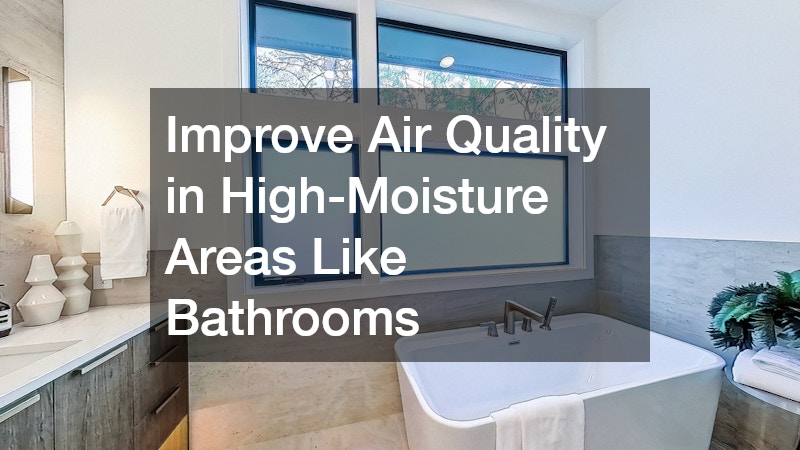
Bathrooms are one of the most challenging environments when it comes to air quality. Warm water, steam, and limited airflow create conditions where mold and bacteria can grow quickly.
If you’ve ever stepped into a bathroom and noticed a persistent damp smell, that’s a sign that moisture isn’t being managed effectively.
Start with the basics: ventilation. Running a fan during and after showers helps remove excess humidity before it settles into surfaces. Opening a window—even briefly—can also improve airflow.
Another often-overlooked detail is the condition of your shower door. Over time, soap scum and moisture buildup can create a breeding ground for mold along seals and edges. Regular cleaning and proper sealing help prevent this from becoming a recurring issue.
You can also reduce moisture buildup by:
- Wiping down surfaces after use
- Using mold-resistant materials where possible
- Checking for gaps or cracks where water can collect
Bathrooms don’t need to feel sterile, but they should feel fresh. If they don’t, it’s usually a sign that airflow or moisture control needs improvement.
Reduce Allergens Through Consistent Cleaning Habits
Air quality isn’t just about what’s in the air—it’s also about what settles on surfaces. Dust, pollen, and pet dander accumulate over time, and every movement in your home can send those particles back into circulation.
Instead of occasional deep cleaning, focus on consistency. Small, regular efforts are far more effective than infrequent, intensive cleanings.
Vacuuming with a HEPA filter, for example, can capture fine particles that standard vacuums often miss. Dusting with microfiber cloths helps trap particles instead of spreading them around.
There’s also a connection between allergens and pests. Insects and rodents can introduce additional contaminants into your home. Scheduling routine pest control not only addresses infestations but also reduces allergen sources that might otherwise go unnoticed.
If you’re looking for a manageable routine, consider this approach:
- Vacuum high-traffic areas at least twice a week
- Wash bedding in hot water weekly
- Clean upholstery and curtains regularly
- Declutter to reduce dust-collecting surfaces
Over time, these habits create a noticeable difference. The air feels lighter, and allergy symptoms often become less frequent.
Maintain Clean Air in Outdoor and Transition Spaces
What happens outside your home doesn’t stay outside. Airborne particles, dirt, and debris are constantly being carried indoors through open doors, windows, and even on your clothing.
That’s why it’s important to think beyond interior spaces.
If you have a pool, for instance, regular pool cleaning helps prevent the growth of algae and bacteria that can contribute to airborne contaminants. Similarly, during home projects or seasonal cleanouts, using a roll off container can help manage debris effectively and keep dust from spreading into your living areas.
Entryways also play a bigger role than most people realize. Shoes track in dirt, pollen, and pollutants from outside. Creating a simple habit of removing shoes at the door can significantly reduce what enters your home.
Other practical steps include:
- Placing mats at entrances to catch debris
- Cleaning outdoor furniture that sits near entry points
- Keeping windowsills and screens free of buildup
These transition zones act as a buffer. When they’re maintained properly, they prevent many contaminants from ever making it inside.
Upgrade Ventilation and Airflow Throughout Your Home

Even the cleanest home can suffer from poor air quality if airflow is limited. Without proper circulation, pollutants linger and accumulate over time.
Improving ventilation doesn’t always require major renovations. In many cases, it’s about making smarter use of the systems you already have.
For example, adding or upgrading exhaust fans in kitchens and bathrooms can make a noticeable difference. If your home has older wiring or limited capacity for modern ventilation systems, consulting electricians can help ensure everything is installed safely and efficiently.
Air purifiers can also be a valuable addition, especially in bedrooms or living areas where you spend the most time. Positioning them strategically allows them to capture airborne particles before they spread.
Consider how air moves through your home:
- Are certain rooms consistently stuffy?
- Do you rely heavily on closed windows and doors?
- Is there a noticeable difference between floors?
Improving airflow often involves small adjustments—opening windows when the weather allows, rearranging furniture to avoid blocking vents, or simply being mindful of how air circulates.
Choose Materials and Practices That Support Cleaner Air
The materials you use in your home can have a lasting impact on air quality. From flooring to furniture to cleaning products, everything contributes to the environment you live in.
Many modern materials release volatile organic compounds (VOCs), which can affect indoor air over time. Choosing low-emission options helps reduce this exposure.
There’s also a broader connection to sustainable land practices. Materials sourced and manufactured responsibly often have fewer harmful emissions, benefiting both your home and the environment.
Beyond materials, consider your daily habits:
- Opt for natural or non-toxic cleaning products
- Avoid overusing air fresheners or scented sprays
- Introduce houseplants that can support air quality
These choices may seem small individually, but together they create a healthier indoor environment. Over time, you’ll likely notice not just cleaner air, but a more comfortable and balanced living space.
Create a Long-Term Indoor Air Quality Maintenance Plan
Improving air quality isn’t a one-time project—it’s an ongoing process. The most effective approach is to create a simple, realistic plan that fits your routine.
Start by thinking in terms of seasons. Different times of year bring different challenges. Spring may introduce pollen, while summer increases humidity. Fall and winter often mean less ventilation as windows stay closed.
A basic maintenance plan might include:
- Seasonal HVAC inspections
- Regular filter replacements
- Periodic deep cleaning sessions
- Scheduled checks for leaks or moisture issues
It also helps to track changes. If you notice improvements—fewer allergies, fresher-smelling rooms—that’s a sign your efforts are working. If not, it may be time to reassess and adjust your approach.
The key is consistency. You don’t need to do everything at once, but staying mindful of your home’s environment ensures that small problems don’t turn into larger ones.
Pay Attention to Daily Air Quality Changes at Home

Improving air quality isn’t just about scheduled maintenance—it’s also about awareness. Your home gives off subtle signals every day, and learning to recognize them can help you catch issues early before they become bigger problems.
For instance, you might notice that certain rooms feel heavier or more stagnant than others. That could indicate poor airflow or a buildup of airborne particles. A bedroom that feels stuffy overnight or a living space that smells stale by the end of the day often points to ventilation gaps that can be addressed with small adjustments.
If you want a more data-driven approach, using an indoor air quality monitor can provide helpful insights. These devices track factors like humidity, airborne particles, and chemical levels, giving you a clearer picture of how your environment changes throughout the day. You may find that simple actions—like opening windows or running a fan—have a more immediate impact than expected.
It’s also important to recognize how lifestyle changes affect your air. Spending more time at home, cooking frequently, or adding pets can all increase the amount of particles in the air. As these habits shift, your cleaning and ventilation routines should adapt as well.
Bringing everyone in your household into the process can make a big difference. Encouraging small habits—like removing shoes at the door, keeping personal spaces clean, and using ventilation systems properly—helps maintain consistency without placing the burden on one person.
Over time, this awareness becomes second nature. Instead of reacting to poor air quality, you begin to anticipate and prevent it, creating a home that feels consistently fresh and comfortable.
Bringing It All Together for Healthier Indoor Living
One of the most overlooked aspects of maintaining cleaner air is simply paying attention to how your home feels on a day-to-day basis. Air quality isn’t always something you can measure without specialized tools, but it’s something you can sense. A room that feels heavy, smells stale, or seems to trigger discomfort is often giving you useful information.
For example, you might notice that certain rooms feel stuffier than others at different times of the day. This could point to uneven airflow or areas where ventilation needs improvement. Similarly, if you wake up with congestion or dry eyes, your bedroom environment may need adjustments, whether that’s improving filtration, adjusting humidity, or increasing airflow overnight.
It can also be helpful to think of your home as a system that changes with your lifestyle. Hosting guests more often, bringing in pets, or even working from home can all increase the demand on your air quality. As your routines evolve, your maintenance habits should evolve with them.
Another practical step is to occasionally “reset” your home’s air. On days when outdoor conditions are favorable, opening multiple windows for even 15–20 minutes can flush out stale air and bring in fresh circulation. This simple habit, when done regularly, can complement all the other strategies you’ve put in place.
Ultimately, improving indoor air quality is less about chasing perfection and more about creating a space that consistently feels clean, balanced, and comfortable. When you approach it with that mindset, the process becomes more manageable—and far more sustainable over time.