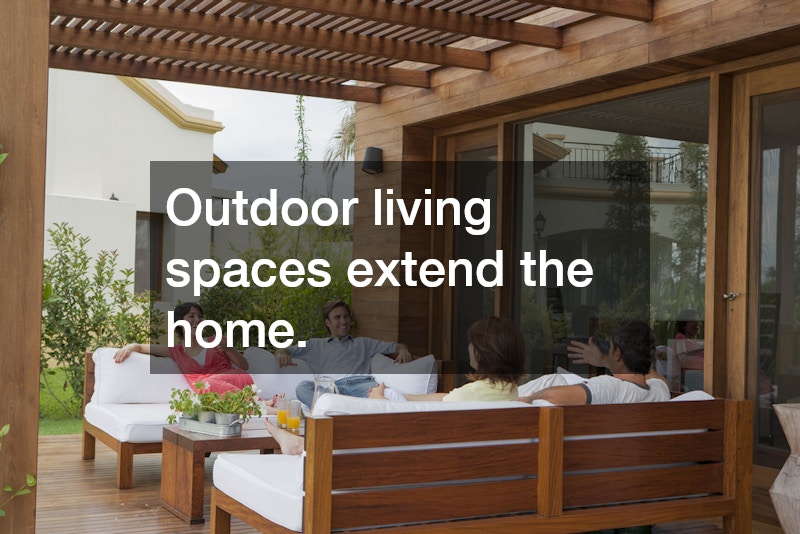
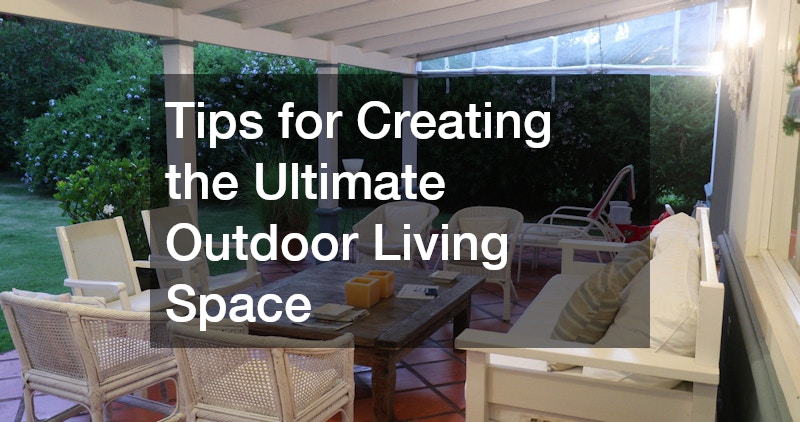
Outdoor living spaces extend the home and reflect lifestyle, personality, and taste. Investing in these areas can significantly increase property value and offer a high return on investment. More than just functional, outdoor areas serve as peaceful retreats promoting relaxation, stress relief, and connection with nature. They offer versatile spaces for entertaining, enjoying family meals, or spending a quiet afternoon outdoors. A well-designed outdoor area encourages more time outside, fostering well-being, enhancing daily experiences, and improving overall quality of life.
How to Choose the Right Furniture for Outdoor Living
Selecting the right materials for outdoor furniture is crucial for longevity, durability, and aesthetic appeal. Common options include teak, aluminum, and synthetic wicker. Teak is naturally water- and pest-resistant, making it a favorite for long-term outdoor use. Aluminum is lightweight, rust-proof, and requires minimal maintenance, while synthetic wicker offers durability and easy cleaning. Understanding each material’s properties helps homeowners make climate and lifestyle-suitable choices.
Durability is important in areas with extreme weather. Furniture exposed to strong sunlight, high humidity, rain, or snow may degrade quickly without the right choice. All-weather wicker performs well in humid regions, while aluminum is ideal in dry, sunny climates. Considering climate-specific needs ensures lasting investment without premature wear.
Maintenance is another consideration. While teak benefits from occasional oiling to preserve its finish, synthetic furniture usually requires only occasional cleaning. Balancing aesthetics, comfort, and upkeep ensures outdoor spaces remain functional and attractive over time.
Size, layout, and functionality are critical. Planning furniture arrangement ensures seating and tables fit comfortably without overcrowding. Modular furniture offers flexibility for gatherings or everyday use, allowing sections to rearrange for different occasions. Properly scaled furniture maintains visual balance, ensuring even smaller spaces feel open and inviting.
Comfort is essential. Cushioned chairs with weather-resistant fabrics and ergonomic designs enhance usability and relaxation. Accessories like outdoor rugs, pillows, and throws add personality and improve comfort and visual appeal. By combining durable, comfortable furniture with thoughtful design, homeowners can create spaces that are stylish and practical.
What Are the Best Lighting Options for Outdoor Spaces?
Lighting is crucial for outdoor spaces’ functionality and ambiance. Options like string lights, lanterns, solar lamps, and energy-efficient LEDs cater to various needs. String or fairy lights offer a cozy glow for patios or gardens. Lanterns, available in candle, battery, or solar-powered options, serve as charming focal points while illuminating paths or tables. Solar lights are eco-friendly and cost-effective for walkways, while LEDs offer durable illumination with low energy usage.
The outdoor space’s purpose often dictates lighting choices. Motion-sensor lights boost security around entrances and driveways, while task lighting aids activities like cooking or reading. Accent lighting, using uplights or spotlights, highlights features, adding depth and drama to landscapes. Combining ambient, task, and accent lighting ensures a balanced illumination plan.
Durability is essential. Outdoor fixtures must endure weather conditions. Weather-resistant materials and sealed designs ensure longevity. Smart lighting systems and timers offer convenience and efficiency, allowing remote control of brightness and schedules. Blending aesthetics, functionality, and energy efficiency, lighting significantly enhances the beauty and usability of outdoor areas.
How to Make Outdoor Spaces More Functional
Creating a functional outdoor living space requires thoughtful zoning and design. Dividing areas for specific purposes, such as dining, lounging, or gardening, improves flow and usability. Elevated decks, planters, or differing flooring materials can naturally delineate zones while enhancing visual appeal. This multi-zone approach allows each section to serve its function without interference, making the space suitable for large gatherings, intimate dinners, or solo relaxation.
Experimenting with layouts and accessories can optimize space creatively. Rugs, planters, and furniture arrangements can define each area, highlighting their unique roles. For instance, a comfortable lounge with plush seating encourages reading or conversation, while a dining zone invites alfresco meals. Ensuring stylistic continuity through colors, materials, or thematic design elements enhances cohesion, resulting in a polished, inviting space.
Year-round functionality is achievable through thoughtful material and feature choices. Weather-resistant furniture, outdoor heaters, pergolas, retractable awnings, and waterproof decor extend usability regardless of season. Integrating technology, like smart weather sensors, helps protect plants, furniture, and accessories while allowing for proactive maintenance.
Features such as fire pits, water elements, and outdoor kitchens enhance the social and recreational appeal of outdoor areas. Fire pits provide warmth and a natural gathering point, while water features offer a calming atmosphere. Outdoor kitchens with grills, counters, and storage enhance convenience for entertaining and elevate outdoor dining experiences. These additions increase functionality and enjoyment, creating spaces where family and friends can gather effortlessly.
Personalization and Style
The ultimate outdoor living space combines practicality with personality. Personal touches such as plants, decorative accents, and customized lighting transform functional areas into inviting retreats. Choosing cohesive styles that complement indoor decor promotes continuity, while adding vibrant colors or handcrafted elements enhances individuality. By blending comfort, style, and versatility, homeowners can create spaces that feel like an extension of their home rather than a separate area.
Properly designed outdoor living areas do more than improve aesthetics—they encourage a healthier lifestyle by motivating homeowners to spend more time outside, whether relaxing, entertaining, or enjoying hobbies. They enhance property value, provide memorable social spaces, and create tranquil retreats where stress and tension are eased naturally.
Outdoor living spaces have become essential extensions of the home, blending beauty, functionality, and comfort. Thoughtful furniture, lighting, and layout choices create versatile, durable, and inviting areas. Incorporating dining, lounging, and entertainment zones, as well as year-round features and technology, makes these spaces usable in any season. Personalization through color, style, and accessories enhances charm and reflects individual tastes.
Investing in outdoor living spaces increases property value, improves quality of life, and fosters a connection with nature. Whether entertaining guests or enjoying quiet moments, a well-designed outdoor area transforms a backyard into a sanctuary, enhancing the home’s comfort and appeal. By balancing durability, aesthetics, and functionality, homeowners can craft outdoor spaces that are practical and inspiring, creating a retreat that enhances daily living.