A backyard can become much more than a patch of grass behind the house. With thoughtful planning, it can support family dinners, quiet mornings, weekend gatherings, playtime, exercise, and everyday relaxation. The most successful outdoor improvements usually balance appearance with comfort and practical use, creating a space that feels like a natural extension of the home rather than an area that is only used occasionally.
Homeowners do not need to complete every project at once. In many cases, the best approach is to identify the features that would improve daily life the most, then build a plan around budget, available space, maintenance needs, and long-term goals. A family that entertains often may prioritize cooking and seating areas, while another household may focus on a pool, shade, or an easy-care patio.
It also helps to think about how each improvement will work with the rest of the yard. Materials, traffic flow, drainage, lighting, privacy, and maintenance all affect how comfortable and functional the finished space will be. By planning projects as parts of one larger outdoor design, homeowners can create a backyard that looks cohesive and continues to serve the household as needs change.
Build a Strong Foundation With Hardscaping
Hardscaping creates the structure that ties an outdoor space together. Walkways, retaining walls, edging, steps, seating walls, and other permanent features can define separate zones while making the yard easier to move through. Working with a local hardscaping service can help homeowners choose materials and layouts that fit the property, climate, drainage needs, and overall design style.
A good hardscape plan should support how the yard will actually be used. A path might connect the back door to a patio, pool, or garden, while a retaining wall can turn a sloped section into usable space. Built-in benches can add seating without taking up the same amount of room as freestanding furniture. Even smaller details, such as borders around planting beds, can make the yard look more polished.
Material selection matters because outdoor surfaces face constant exposure to weather. Stone, brick, concrete, and pavers each offer different advantages in terms of appearance, cost, maintenance, and durability. Choosing complementary materials helps different areas feel connected rather than pieced together over time.
Hardscaping can also reduce some of the maintenance associated with large lawn areas. Replacing underused grass with pathways, gathering spaces, or low-maintenance surfaces can create more practical outdoor square footage. The key is to leave enough greenery so the yard still feels inviting and balanced.
Create a Patio for Everyday Living
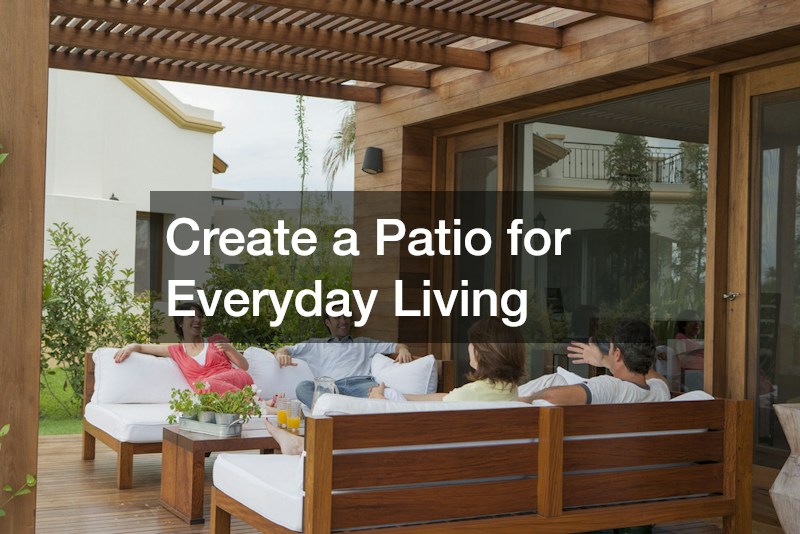
A patio often becomes the center of backyard activity because it provides a stable surface for furniture, dining, grilling, and entertaining. Homeowners can choose from several materials, but pavers and poured concrete remain two of the most common options. Experienced paver patio installers can create patterns, borders, and layouts that add visual interest while adapting to curves or irregular spaces.
Pavers are available in many shapes, textures, and colors, making them useful for homeowners who want a customized look. Individual pieces can also be replaced if one becomes damaged. Proper installation is important because the base, grading, and joint material affect how well the surface holds up over time.
Concrete patio contractors offer another practical option for homeowners who want a durable, versatile surface. Concrete can be finished in several ways, including brushed, stamped, or stained designs. It can work especially well for larger patios where a continuous surface creates a clean, simple appearance.
When planning a patio, size is just as important as material. There should be enough room for furniture and comfortable movement without overwhelming the yard. Homeowners may also want to plan for shade, lighting, electrical outlets, and nearby landscaping. These details make the space easier to use throughout the day and during different seasons.
Add a Pool That Fits the Property
A swimming pool can change how a family uses the backyard, especially during warmer months. Instead of treating the pool as a standalone feature, homeowners should consider how it will relate to patios, walkways, seating areas, landscaping, and the house itself. A custom pool builder can help design a pool around the available space, preferred shape, depth, entry style, and surrounding features.
Custom design can be particularly valuable on smaller, sloped, or unusually shaped lots. A pool does not need to be enormous to become a central part of outdoor living. Thoughtful placement can preserve room for dining, lawn space, gardens, or play areas while still creating a comfortable swimming environment.
Safety should remain part of the design process from the beginning. Fencing, gates, non-slip surfaces, lighting, and clear sightlines can all influence how safely the area functions. Families with children or pets may also want to consider alarms, covers, or other protective features.
The pool deck deserves careful planning as well. It should provide enough space for movement, lounging, and access to equipment without creating unnecessary clutter. Coordinating the deck material with the rest of the hardscaping can make the entire backyard feel more intentional.

Maintain Clear, Comfortable Pool Water
Owning a pool also means keeping the water and equipment in good condition. Routine maintenance helps protect the appearance of the pool and supports more consistent water quality. Homeowners may work with a pool supply company for chemicals, testing products, replacement parts, cleaning tools, filters, and other essentials needed throughout the swimming season.
Water chemistry is only one part of maintenance. Skimming debris, brushing surfaces, cleaning baskets, checking filtration equipment, and maintaining proper water levels all contribute to a cleaner pool. Small issues can become larger if they are ignored for too long, so regular inspections can help homeowners notice changes early.
Sometimes a pool may suddenly lose water faster than expected. Swimming pool leak detection services can help identify whether the problem is related to plumbing, fittings, structural cracks, or another source. Finding the cause promptly may help limit water waste and prevent damage around the pool area.
Other situations require more intensive cleaning. Green pool clean ups are designed for pools affected by algae growth, neglected circulation, poor chemical balance, or extended periods without maintenance. Restoring clear water may require debris removal, brushing, filtration, chemical treatment, and repeated testing.
A simple maintenance schedule can make pool care feel more manageable. Keeping supplies organized and tracking service dates, chemical readings, and equipment concerns can help homeowners stay ahead of common problems.
Make Outdoor Cooking More Convenient
Cooking outside can turn ordinary meals into a more social experience, especially when the kitchen is designed for convenience. Backyard kitchens can range from compact grilling stations to fully equipped cooking areas with counters, storage, refrigeration, sinks, and multiple appliances. The right design depends on how often the household cooks outdoors and what types of meals are typically prepared.
Location is one of the first decisions to make. An outdoor kitchen should be close enough to the house for convenient access without placing smoke, heat, or cooking odors directly beside doors and windows. It should also connect naturally with dining and seating areas so the person cooking is not isolated from everyone else.
Durable materials are essential because counters, cabinets, and appliances must tolerate temperature changes, moisture, and sun exposure. Homeowners should choose products designed specifically for outdoor conditions rather than adapting indoor materials that may deteriorate quickly.
Storage can make a major difference in daily use. Space for utensils, serving pieces, cleaning supplies, and cooking tools reduces repeated trips inside. Good lighting is equally important for evening meals, while shade can make the area more comfortable during hot afternoons.
A well-planned cooking zone can support casual family dinners as easily as larger gatherings. By keeping preparation, cooking, serving, and dining areas connected, homeowners can create a smoother experience for both hosts and guests.

Add a Hot Tub for Relaxation
A hot tub can provide a dedicated place to unwind without requiring a large portion of the yard. It may fit beside a patio, near a pool, beneath a pergola, or in a more private corner surrounded by landscaping. The best location balances convenience, privacy, structural support, electrical requirements, and safe access.
Before installation, homeowners should confirm that the chosen surface can handle the filled weight of the spa. A proper foundation may involve a concrete pad, reinforced deck, or another approved base. Electrical work should also be handled according to local requirements, particularly because water and electricity create additional safety concerns.
Privacy often becomes an important design consideration. Screens, fencing, hedges, or strategically placed plantings can make the space feel more secluded without completely closing it off. Some homeowners also add overhead structures for shade or weather protection.
Lighting can improve both safety and atmosphere. Low-level path lights help people move between the house and spa after dark, while softer accent lighting can create a more relaxing setting. Slip-resistant surfaces around the unit are also useful because water will inevitably splash onto surrounding areas.
Like a pool, a spa requires regular care. Water testing, filter cleaning, cover maintenance, and periodic draining help keep the system functioning properly. Planning storage for chemicals, towels, and accessories nearby can make routine upkeep more convenient.
Improve Comfort With Screened Outdoor Areas
Open patios are enjoyable in pleasant weather, but insects, debris, and intense sun can make them harder to use at certain times of the year. Patio and lanai screen enclosures can create a more protected environment while preserving outdoor views and airflow. They can be especially useful around seating areas, dining spaces, and pools.
Screened areas give homeowners more flexibility in how they use the backyard. A covered, enclosed patio can serve as a place for meals, reading, games, or conversation without the constant distraction of mosquitoes and other pests. Around a pool, screening may also help reduce leaves and airborne debris entering the water.
Design should match the architecture of the house whenever possible. Frame color, roofline, screen type, door placement, and enclosure height all affect the final appearance. A structure that feels visually connected to the home usually looks more intentional than one added without considering existing lines and materials.
Homeowners should also think about ventilation and shade. Screens allow air to pass through, but roof design, ceiling fans, or shaded sections may still be helpful in hotter climates. Lighting and electrical access can extend the usability of the space after sunset.
A screened area does not have to feel closed in. Large spans of screening and carefully positioned landscaping can maintain an open feeling while providing the practical benefits of a more protected outdoor room.
Bring the Entire Backyard Design Together
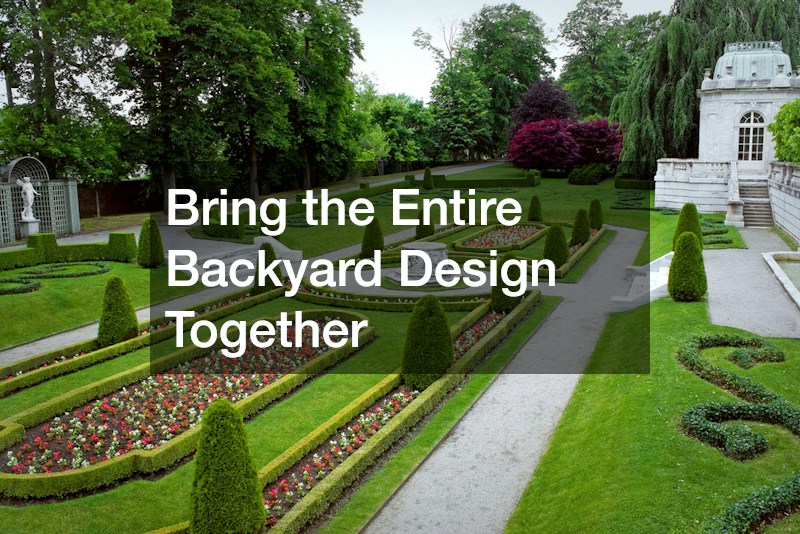
The most successful backyard improvements work together instead of competing for space. Before starting major projects, homeowners can sketch out how people will move between the house, patio, pool, cooking area, lawn, garden, and relaxation zones. Clear connections make the yard feel larger and more comfortable because each area has a defined purpose.
Consistent materials can help unify the design. Repeating similar pavers, stone colors, wood tones, metals, or architectural details creates a visual link between separate projects. Landscaping can soften hard surfaces and help transitions feel more natural, while lighting can connect different zones after dark.
It is also helpful to think about what the backyard may need several years from now. Families change, children grow, entertaining habits shift, and maintenance preferences evolve. Flexible spaces are often more useful than highly specialized areas that only serve one purpose.
Budget planning should account for more than installation costs. Homeowners may need to consider routine maintenance, utilities, repairs, replacement materials, and seasonal care. Choosing improvements that fit the household’s willingness to maintain them can prevent frustration later.
A backyard does not need every possible feature to feel complete. The goal is to create an outdoor environment that supports the way the household wants to live. By combining comfortable gathering areas, durable surfaces, practical amenities, and thoughtful maintenance planning, homeowners can turn an ordinary yard into a functional extension of the home that provides value every day. Thoughtful sequencing can also reduce disruption, protect completed work, and help homeowners make confident decisions as each new project becomes part of the finished backyard design.