
Home maintenance problems often begin with small changes that are easy to overlook. A faint stain on the ceiling, a sticking garage door, or an unfamiliar smell in the basement may seem insignificant during a busy week. However, these warning signs can indicate moisture intrusion, deteriorating materials, or equipment that needs attention. Recognizing problems early gives homeowners more options for protecting their property and planning repairs before conditions become disruptive.
For households juggling several appointments, a shared calendar can prevent overlapping inspections and missed access windows. Confirm whether someone must be home, and keep pets safely separated from active work areas. A practical maintenance routine combines regular inspections, prompt investigation, and professional assistance when a problem exceeds household skills. Some concerns are visible from the ground, while others remain hidden behind walls, beneath floors, or inside mechanical systems. Knowing which specialists to contact can make an unexpected repair easier to manage. The following areas deserve attention because problems in one part of a home can affect several others.
Watch for Plumbing Problems and Hidden Water Leaks
Plumbing systems operate behind finished walls and under cabinets, which means damage can develop before water becomes obvious. Signs of trouble include unexplained increases in water bills, reduced water pressure, damp drywall, discolored flooring, and persistent dripping sounds. A musty cabinet or soft spot near a fixture also deserves investigation. Even a minor leak can damage surrounding materials when it continues unnoticed for weeks.
A residential plumber can inspect fixtures, supply lines, drains, and connections to identify the source of a problem. Homeowners should describe when symptoms started and whether they occur constantly or only when particular appliances run. These details help narrow the investigation. If water is actively escaping, shutting off the appropriate valve and avoiding affected electrical equipment can limit hazards until assistance arrives.
When the source cannot be found through a basic inspection, a water leak detection service may use specialized equipment to locate moisture or identify leaks within concealed piping. Finding the problem accurately can reduce unnecessary demolition. Once repairs are finished, the surrounding area should be dried and inspected rather than immediately covered with new finishes. Make a habit of checking beneath sinks, around toilets, and near water heaters so developing issues receive attention sooner.
Inspect Roofing and Gutters for Signs of Moisture Intrusion
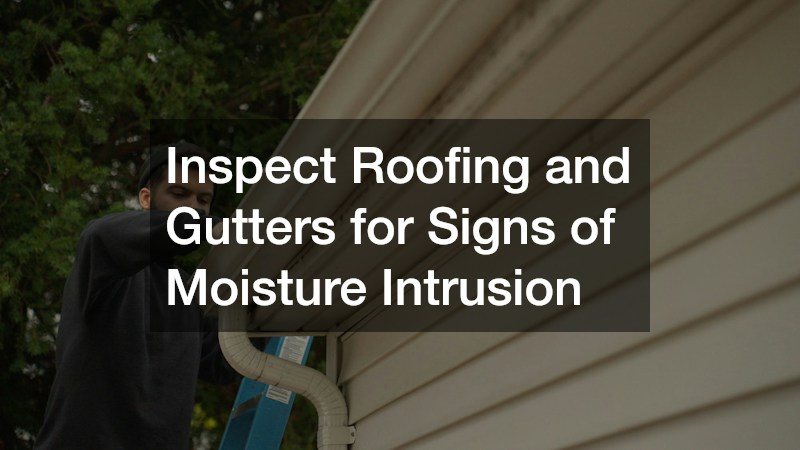
The roof and drainage system form an important defense against rain, snow, and melting ice. Missing shingles, damaged flashing, sagging gutter sections, and water stains near the attic can all suggest that this protection has weakened. Homeowners can look for visible changes from the ground after storms without climbing onto a roof. Binoculars and photographs may help document suspected damage for a contractor.
A roofing company can evaluate materials, penetrations, ventilation, and vulnerable roof transitions. Professional inspection becomes useful after severe weather or when repeated interior stains appear. Ask whether the concern is isolated or part of a broader pattern of wear, and request an explanation of proposed work. A patch may address a localized opening, while widespread deterioration may call for more extensive repairs.
Fresh stains or damp insulation can help a professional trace problems before interior ceilings become visibly affected. Drainage needs equal attention. Clogged or detached gutters can send water behind siding, over walkways, or toward the foundation. Gutter repair may involve securing loose fasteners, correcting slope, replacing damaged sections, or addressing leaking joints. Keep downspout outlets clear and direct runoff away from the building where site conditions permit. Handling roof and gutter problems together helps prevent recurring moisture damage that can otherwise affect insulation, walls, and interior finishes.
Recognize Mold Conditions and Respond to Water Damage
Mold can grow where moisture persists, including around leaks, beneath flooring, behind cabinets, and in poorly ventilated areas. Warning signs include visible discoloration, persistent earthy odors, peeling finishes, and materials that remain damp after a spill or storm. Appearance alone does not establish the extent of contamination, and a hidden moisture source may continue feeding growth even after a surface is cleaned.
Homeowners seeking local mold remediations should look for professionals who assess both affected materials and the conditions allowing mold to develop. The first priority is to stop water intrusion or correct the humidity problem. Depending on the situation, remediation may involve containment, removal of damaged porous materials, controlled cleaning, and verification that moisture levels have returned to acceptable conditions. Disturbing large contaminated areas without appropriate precautions can spread material through occupied spaces.
People with respiratory concerns should avoid spending unnecessary time in visibly contaminated areas while professionals assess conditions. Follow the remediation provider’s guidance about safe access and cleaning unaffected belongings. Water and mold restoration services can also assist after plumbing failures, roof leaks, or flooding that saturates building components. Drying should begin promptly, with attention to cavities and materials that hold moisture out of sight. Take photographs, preserve relevant records, and discuss insurance reporting requirements before major restoration work when practical. Finally, monitor the repaired area for renewed odors, dampness, or stains. Successful recovery addresses the cause, not merely the appearance of damage.

Check for Termites and Other Wood-Damaging Activity
Wooden framing, trim, and other cellulose materials can attract termites when conditions support an infestation. Homeowners may notice discarded wings near windows, narrow mud tubes along foundation surfaces, damaged wood, or doors that suddenly fit differently. These symptoms do not confirm termites by themselves, but they justify a closer inspection. Infestations can remain concealed, making routine observation important in vulnerable areas.
Professional termite control begins with identifying the pest and evaluating where activity is occurring. Treatment methods differ according to the structure, infestation type, and local conditions, so a qualified provider should explain the recommended approach and follow-up schedule. Avoid disturbing suspected activity before the inspection, because doing so may make it harder to determine its location and extent. Photographs can help document changes over time.
Ask the inspector to identify monitoring points that you can check between visits. A written report with photographs makes it easier to compare future findings and track recommended corrections. Prevention also involves controlling conditions around the home. Repair moisture problems, avoid storing firewood against exterior walls, and keep soil or landscaping from covering inspection gaps where possible. Review crawl spaces and exposed wood periodically, especially after drainage problems. When damage is discovered, determine whether structural repairs are necessary in addition to pest treatment. Addressing the infestation and any contributing conditions helps protect the home beyond the immediate service visit.
Maintain Garage Doors and Their Safety Features
Garage doors are among the largest moving components in many homes. Repeated opening and closing can wear rollers, hinges, cables, springs, and the opener mechanism. Squealing sounds, uneven movement, delayed response, and visible gaps may indicate that something needs attention. A door that reverses unexpectedly or fails to respond consistently should not be ignored, particularly when the garage serves as a primary household entrance.
A garage door service can inspect the operating system and determine whether adjustment, replacement parts, or opener repairs are needed. Because springs and cables can store energy, homeowners should leave related repairs to trained technicians rather than attempting to release tension themselves. Keep people and vehicles clear of a malfunctioning door until it has been evaluated. Never bypass safety devices to keep a defective system operating.
During colder months, watch for frozen buildup near the threshold and avoid forcing a stuck door. In every season, keep remotes where young children cannot operate them unsupervised. Basic homeowner checks can support safe performance. Watch the door through a complete cycle, keep tracks free of stored belongings, and examine weatherstripping for gaps that allow water or pests inside. Follow manufacturer instructions for testing automatic reversal features and photoelectric sensors. If a problem appears, arrange a professional inspection before relying on the door again. Regular attention can reduce inconvenience while protecting vehicles, stored possessions, and everyone who uses the space.

Plan Structural Repairs and Specialized Cutting Carefully
Some maintenance concerns reveal deeper issues in concrete, masonry, or structural components. Cracks that widen, repeated water entry through a foundation wall, uneven surfaces, and deteriorated openings may call for investigation. Not every crack indicates a serious structural defect, but changes over time are worth documenting. Take photographs with dates and note whether doors, windows, or nearby finishes have begun to shift.
When a repair requires a new opening or precise alteration to concrete, a hand sawing service may be part of the project. Specialized cutting can help create controlled openings in tight or difficult-to-access locations. However, cutting should occur only after the work has been assessed for structural, utility, and safety implications. Contractors may need to verify the location of reinforcement, embedded services, and load-bearing elements before proceeding.
Request a clear written scope before cutting begins, including the dimensions and location of any proposed opening. Clarifying responsibilities beforehand can prevent delays when unexpected materials or conditions appear. For complicated projects, ask who is responsible for evaluating the structure, obtaining permits, controlling dust, and protecting occupied rooms. Temporary supports or engineering input may be necessary depending on the proposed changes. Coordinate cutting activities with plumbing, drainage, and restoration work so new openings serve a clear purpose. Thoughtful planning reduces unnecessary disturbance and helps ensure that the final repair addresses the underlying condition rather than simply changing the surface appearance.
Organize Cleanup and Waste Removal During Repairs
Even a modest repair can generate packaging, damaged drywall, removed flooring, and other debris. Extensive work may produce materials that cannot fit in ordinary household bins. Planning disposal before demolition starts keeps walkways open and reduces the temptation to pile waste in unsafe locations. It also helps contractors work efficiently by keeping the project area organized throughout the repair.
A local dumpster rental can be useful when homeowners are replacing multiple damaged materials or coordinating several trades. Before ordering, estimate the volume of debris and ask the provider about container dimensions, rental duration, weight limits, and restricted items. Placement matters as well: the container should be accessible for delivery without blocking emergency routes, damaging landscaping, or interfering with neighbors. Check whether local rules require permission for street placement.
Organized disposal reduces sorting mistakes and prevents usable supplies from being thrown away accidentally. Separate reusable materials, recyclables, and items requiring special disposal whenever practical. Paint, chemicals, electronics, and certain construction products may have requirements that differ from ordinary debris. Ask contractors who will load the container, sweep work areas, and arrange final pickup so those tasks are not overlooked. After debris is removed, inspect the area for exposed fasteners, sharp fragments, and remaining dust. A clean site supports safer repairs and makes the results easier to evaluate.

A maintenance checklist does not need to be complicated to be effective. Walk around the property seasonally and note visible changes in roofing, drainage, exterior walls, windows, and doors. Indoors, look beneath sinks, around appliances, near plumbing connections, and at ceilings below bathrooms. Pay attention to unfamiliar smells, unusual sounds, and finishes that suddenly crack or discolor. Small observations recorded consistently can reveal patterns that one inspection might miss.
Prioritize issues by their potential consequences. Active leaks, electrical hazards, unsafe door mechanisms, and signs of structural movement deserve prompt attention. Cosmetic concerns can often be scheduled after more urgent work is stabilized. Set aside funds for routine servicing and unexpected repairs, and keep records of contractor visits, warranties, photographs, and completed work. Those records help future professionals understand what has already been investigated.
A maintenance log can include the date, observed symptoms, repair cost, provider, and next inspection reminder. Keeping everything together helps with budgeting and can support future property disclosures. It is also useful to review work after repairs are completed. Confirm that water remains contained, drainage flows correctly, mechanical equipment operates safely, and previously affected materials stay dry. Ask service providers what warning signs should trigger another call and whether follow-up inspections are recommended. When homeowners combine timely action with ongoing observation, they can limit avoidable damage, protect the comfort of their living spaces, and make maintenance decisions with greater confidence.