

Moving to a new home marks the start of an exciting new chapter in your life. It represents a fresh beginning, a new neighborhood to explore, and a blank canvas to design your living space. However, while you are tracking cardboard boxes, signing complicated real estate paperwork, and coordinating with packing crews, your pets are dealing with a complete disruption of their familiar world. Animals are highly territorial creatures who rely on a predictable daily routine and familiar scents to feel safe. The sudden appearance of towers of brown boxes, the disappearance of furniture, and the presence of loud strangers carrying items away can cause severe anxiety for dogs, cats, and small animals alike.
Without a clear organization plan, the relocation process can quickly lead to behavioral regressions, escape attempts, or stress-induced illnesses for your furry family members. The secret to a successful, low-stress move with animals is integrating their needs directly into your master moving schedule. You do not need to be an expert to keep your pets calm and safe during a transition. Instead, you just need to know how to organize their medical records, secure your travel logistics, and carefully introduce them to their next environment. This comprehensive guide provides a practical, step-by-step roadmap to protect your companions throughout the relocation process, ensuring a smooth, happy transition for your entire household.
Prep Your Pet’s Medical Records: Gathering Documents and Updating Health Needs
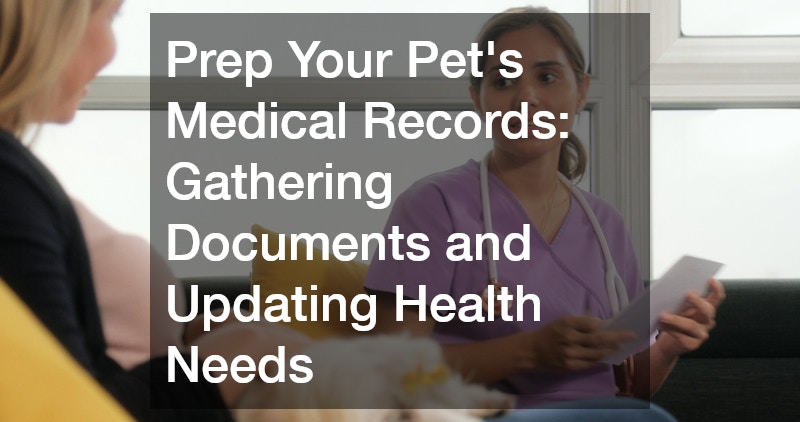
The very first step in planning a long-distance relocation with animals should take place at your current medical clinic. At least one month before your scheduled moving day, you must contact your primary clinic and request a complete electronic copy of your pet’s medical history. Having physical or digital copies of their master charts, past allergy issues, surgical histories, and current prescription lists will make transitioning to a new office incredibly simple. While you are gathering these files, ask your current doctor if they have any trusted professional recommendations in your destination city. Building a bridge between your old clinic and your next provider ensures that your pet’s ongoing medical treatments continue without a single day of interruption.
Before your pet sets foot inside a travel crate, you must also schedule a final wellness checkup to confirm they are physically healthy enough for long-distance travel. This visit is the perfect opportunity to make sure your furry friend is completely current on all their required regional shots and preventative medications. If you are moving across state lines or transitioning from an urban area to a rural environment, your pet may face new environmental threats, such as different types of wildlife diseases, heartworms, or tick populations. Discussing these changes with a licensed veterinarian allows you to update your pet’s vaccines so your animal’s immune system is fully shielded against the specific health risks of your new hometown. Finally, do not forget to log online to update your pet’s national microchip database profile with your new cell phone number and home address before moving day arrives.
- Request copies of all current prescriptions and secure a full thirty-day supply of medications before your move.
- Ask your current clinic for an official interstate health certificate if you are traveling by airplane or crossing state lines.
- Update your pet’s physical collar tags with your new cell phone number and the address of your destination home.
- Keep all physical medical documents inside your personal travel binder rather than packing them away in a moving truck.
Secure Your Next Home and Clear Out Your Old Space Safely
Finding a pet-friendly place to live requires a significant amount of research and careful attention to detail. If you are moving into a managed community or a leased building, you must read the fine print of your lease agreement thoroughly before signing a contract. Many residential properties have strict rules regarding animal ownership, including specific weight limits, breed restrictions, and monthly pet fees. If you are moving into a managed apartment rental, make sure you receive written confirmation from the property manager approving your specific pets. Before you unpack a single box on moving day, take high-resolution photos of the floors, baseboards, and walls of your new home to document any pre-existing wear and tear, which protects your security deposit when you eventually move out.
Once your next property is secured, your attention must turn to leaving your old home in pristine condition. Living with dogs or cats means that pet hair, dander, and deep tracking odors naturally accumulate in the carpet fibers over time. To ensure you receive your full cleaning deposit back and leave the space healthy for the next resident, you should perform a deep clean of all the floors. Hiring a specialized company to execute a professional carpet cleaning is the most effective way to eliminate stubborn pet stains, embedded dander, and lingering odors from the fabric backing. On the actual moving day, keep your pets completely separated from the chaos by enclosing them in a quiet bathroom or bedroom with their favorite toys, food, and water. This prevents your pet from slipping out through an open front door while movers are loading heavy furniture.
- Review the local city ordinances in your new town to check for specific pet licensing laws and leash requirements.
- Take detailed photos of your new apartment floors before moving your items in to prove you did not cause old scratches.
- Avoid using strong chemical floor cleaners on moving day, as the intense scents can irritate an anxious pet’s nose.
- Place a large, bright sticky note on the door of your pet’s secure room, warning movers to keep the door shut.
Manage the Journey: Creating a Safe Travel Strategy for the Road

Whether you are driving for two hours or traveling across the country for three days, executing a safe travel plan is critical to your pet’s physical well-being. You should pack a dedicated pet travel bag that stays in the back seat of your personal vehicle for easy access. This bag must contain enough bottled water, regular pet food, waste disposal bags, and treats to last for at least one full week in transit. Using bottled water from your old home during the journey prevents sudden stomach upset that can happen when animals drink unfamiliar tap water from highway rest stops. You should also include their favorite blanket and familiar bed inside their travel crate, as the comforting scent of home will significantly lower their stress levels inside a moving car.
Spending time on detailed travel planning before you back out of your driveway will save you from major logistical headaches along your route. Map out your driving path to locate pet-friendly rest stops, public parks, and hotels that welcome animals. Plan to stop every two to three hours to let your dog stretch its legs, drink water, and relieve itself safely on a secure leash. If your animal suffers from severe motion sickness or extreme travel anxiety, speak to a doctor before the trip about safe sedative options. It is also smart to track the locations of emergency medical centers along your highway route. Knowing exactly where to find 24-hour facilities that offer emergency pet urgent care ensures you can get immediate medical attention if your companion suffers from heat stress, severe dehydration, or sudden injury during the long journey.
- Pack a full week of your pet’s regular food in airtight containers to maintain its consistency during travel.
- Never leave an animal unattended inside a parked vehicle for any amount of time, as interior temperatures can turn deadly in minutes.
- Use a heavy-duty, crash-tested travel crate or a secure seatbelt harness to protect your pet while the vehicle is moving.
- Keep a digital photo of your pet on your phone in case they manage to slip away at a highway rest stop.
Safeguard Your New Space: Pet-Proofing and Locating Emergency Care
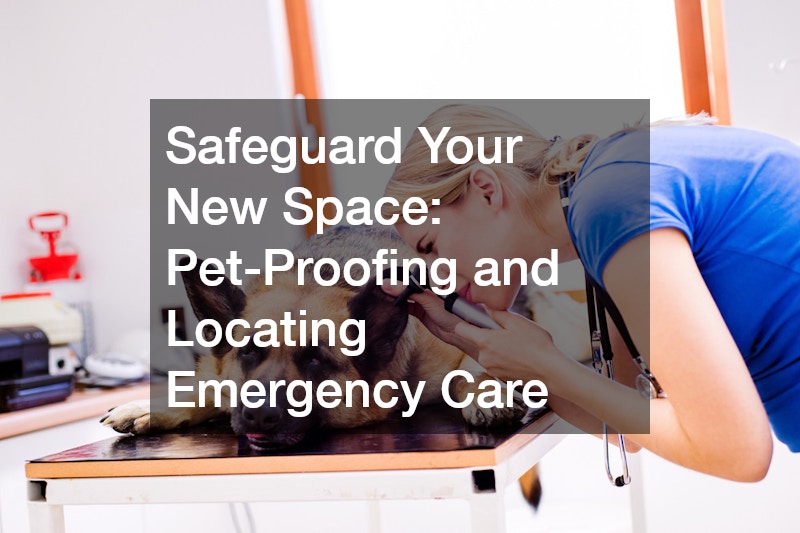
When you first walk through the front door of your new home, your very first task should be to perform a thorough, room-by-room safety inspection before you let your pets out of their travel carriers. Previous owners or tenants may have left behind hidden hazards, such as exposed carpet nails, broken glass shards, or toxic chemical pest traps inside the backs of low cabinets. Walk the perimeter of your new backyard fence to check for rotting wood boards, loose chain-link wires, or deep dirt holes where a dog could easily dig its way out. Instead of letting your animals roam the entire unfamiliar house immediately, set up a single “basecamp” room filled with their familiar bed, water bowls, and litter boxes so they can adjust to the new sounds and smells gradually.
While your pets are settling into their temporary basecamp room, you must immediately program the contact numbers for local emergency medical services into your mobile phone. You do not want to waste precious minutes searching the internet during a critical medical event. Find the absolute closest open emergency clinic and save the phone number of a highly rated urgent care veterinarian in your primary navigation app. Accidents can happen at any time, especially when an anxious animal is exploring an unfamiliar environment and might accidentally ingest a toxic household item or slip out into a busy street. Take a quick practice drive past the nearest emergency urgent care pet clinic during your first week in the neighborhood so you know exactly where to park and find the emergency entrance without getting lost in the dark.
- Scan the floor of every closet and cabinet for old rodent poison or insect traps left by previous residents.
- Keep your pets inside their designated basecamp room for the first few days while large furniture is being assembled.
- Inspect your new backyard landscaping to ensure there are no toxic plants, such as sago palms or lilies, within reach.
- Save the address and phone number of the closest 24-hour veterinary trauma center on your refrigerator door.
Settle into New Routines: Maintaining Health and Wellness in a New Town

Once the physical moving trucks have departed and the boxes are neatly stacked, your primary goal is to re-establish a sense of complete normalcy for your animals. The fastest way to reduce your pet’s post-move anxiety is to return to a predictable daily routine as quickly as possible. Feed your animals, take them out for walks, and sit down for playtime at the exact same times you did in your old house. This structural consistency teaches your pet that even though the physical building has changed, their relationship with you and their daily schedule remains perfectly secure. Keep your cats indoors for at least several weeks to prevent them from becoming disoriented and trying to navigate back to their old territory.
Within your first month in your new neighborhood, you should schedule a non-emergency introductory appointment with a primary care clinic in town. This visit allows your new provider to examine your pet, review their past medical histories, and establish a baseline health profile before any unexpected illnesses occur. Look for a modern facility that features advanced, on-site animal diagnostic services, such as digital radiography, ultrasound machines, and internal blood testing laboratories, so you can handle all your future preventative care needs in one single location. During this initial visit, ask your doctor about routine wellness maintenance habits, including preventative oral care. Setting up an appointment for a professional pet teeth cleaning will protect your companion from painful gum disease and ensure their overall systemic health remains excellent as they enjoy their new life in their new home.
- Feed your pets at the exact same hour every day to help reset their internal biological clocks in the new space.
- Unpack your pet’s favorite scratching posts and beds first so the house immediately smells familiar to them.
- Schedule a primary care wellness visit within thirty days of moving to establish an active relationship with a local doctor.
- Spend extra one-on-one time grooming and playing with your animal to reassure them during the first week.
Conclusion
Relocating your household to a new community takes an incredible amount of hard work, but protecting your pets during the transition is the single best way to ensure your new chapter starts on a happy note. Animals give us endless loyalty and love, and they rely completely on us to guide them through major life changes safely. By taking a proactive approach to their relocation needs—such as gathering complete medical records, securing pet-safe housing, mapping out your road trip stops, and identifying local emergency hospitals in advance—you can completely eliminate the stress and danger from moving day.
Be patient with your companions as they explore their new surroundings, and understand that a few minor behavioral accidents are completely normal during the first few weeks. Rebuilding a consistent daily schedule and surrounding your pets with familiar scents will quickly transform an unfamiliar house into a safe, comforting sanctuary. Take a few minutes today to download your pet’s digital medical files and locate the nearest veterinary trauma center in your next zip code. Taking these simple, responsible steps right now guarantees a smooth transition and a long, healthy life for your entire family in your new home.