
Key Takeaways
- Sorting garage items into keep, donate, and toss categories makes decluttering more manageable and efficient.
- Removing broken, expired, and unused items helps free up valuable storage space and improve organization.
- Donating usable belongings can reduce waste while helping others in the community.
- Organizing remaining items by category and using labeled storage solutions makes it easier to find what you need.
- Vertical storage options such as shelves, hooks, and pegboards help maximize garage space and keep floors clear.
- Regular cleaning and seasonal decluttering sessions help prevent clutter from building up again.
- A well-organized garage improves safety, functionality, and overall household efficiency.
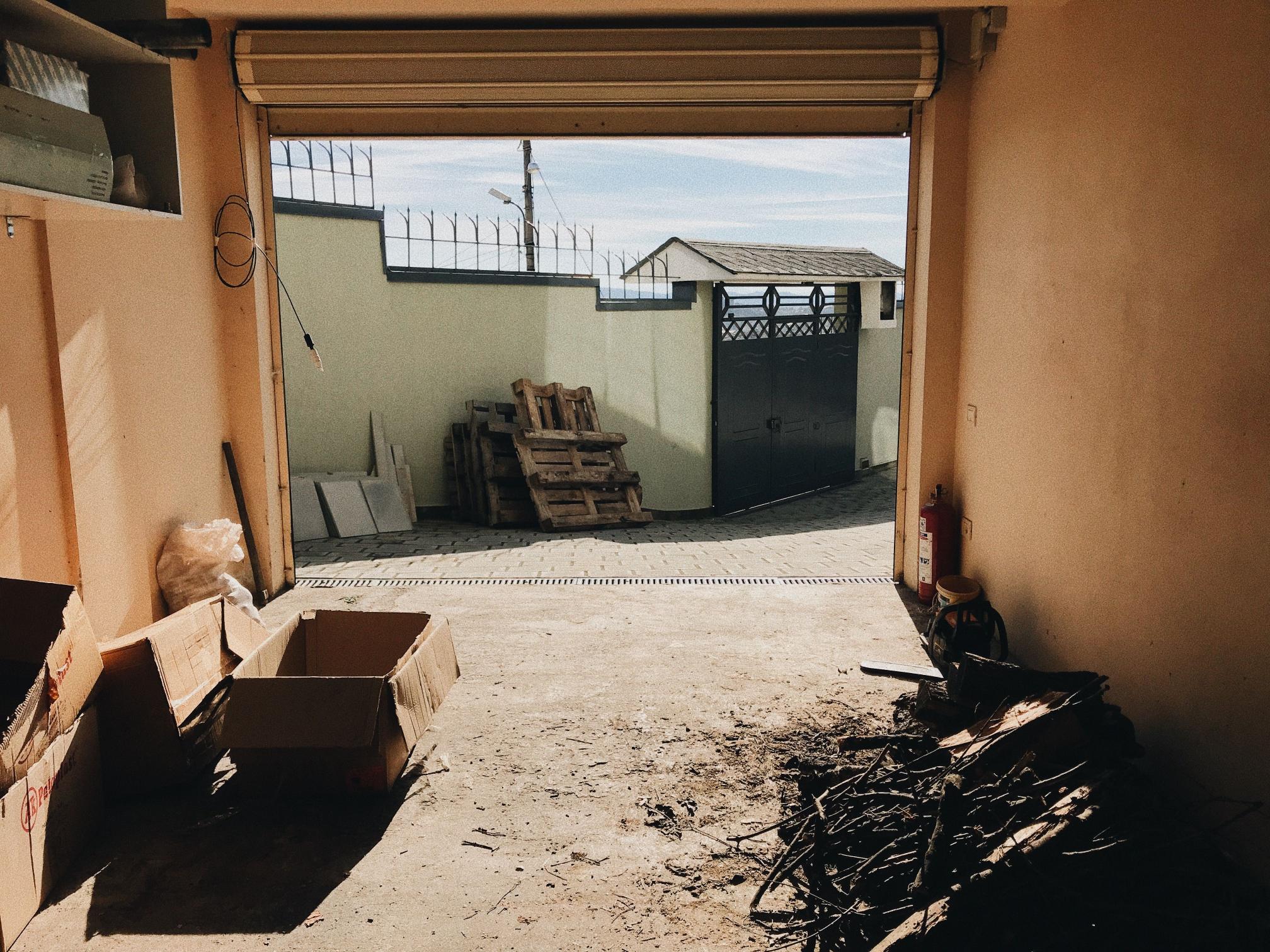
For many homeowners, the garage starts as a place to park vehicles, store tools, and organize household items. Over time, however, it often becomes a catch-all space for things that no longer have a designated place inside the house. Old furniture, broken equipment, unused sports gear, holiday decorations, and forgotten boxes can quickly pile up until the garage becomes cluttered and difficult to use.
A crowded garage does more than create visual stress. It can make it harder to find important items, reduce available storage space, attract pests, and even create safety hazards. The good news is that cleaning garage junk does not have to be overwhelming. With a clear plan and a simple sorting system, homeowners can reclaim valuable space and create a more organized environment.
One of the most effective methods is sorting everything into three categories: keep, donate, and toss. This approach simplifies decision-making and helps prevent unnecessary clutter from returning.
This guide explains how to clean out garage junk, decide what belongs in each category, and maintain an organized garage long-term.
Why Garage Clutter Builds Up
Most garages accumulate clutter gradually.
Items often end up in the garage because:
- There is no room elsewhere
- Homeowners plan to use them later
- They feel too valuable to throw away
- They are difficult to dispose of
Over time, these items pile up and create disorganization.
Common garage clutter includes:
- Broken tools
- Old paint cans
- Unused furniture
- Seasonal decorations
- Sporting equipment
- Empty boxes
Understanding why clutter accumulates can help prevent future buildup.
Benefits of Cleaning Out the Garage
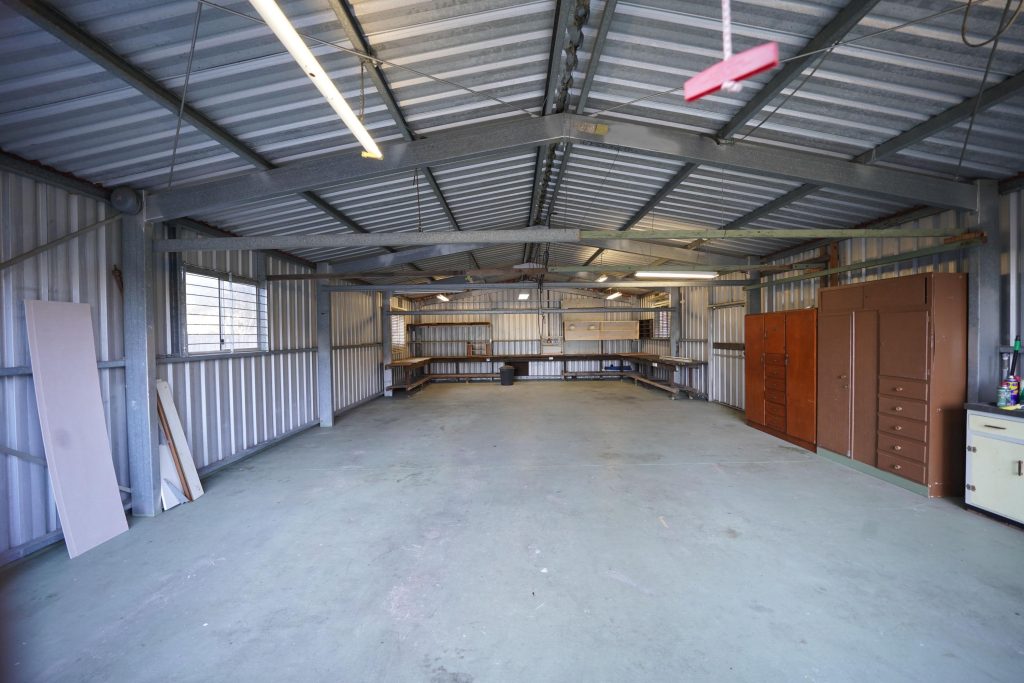
An organized garage offers several advantages.
These include:
- Easier access to belongings
- Improved safety
- More storage space
- Reduced stress
- Better vehicle protection
Cleaning out the garage can also reveal forgotten items that still have value.
Many homeowners are surprised by how much usable space they regain after a thorough decluttering session.
Set Aside Enough Time
Garage cleanouts often take longer than expected.
Depending on the size of the space, you may need:
- A few hours
- A full day
- An entire weekend
Avoid rushing through the process.
Taking your time helps ensure better decisions about what stays and what goes.
Gather Supplies Before You Start
Having supplies ready can make the project more efficient.
Helpful items include:
- Trash bags
- Storage bins
- Labels
- Cleaning supplies
- Gloves
- Marker pens
You may also want boxes labeled:
- Keep
- Donate
- Toss
This simple system helps maintain organization throughout the process.
Empty the Garage if Possible
For major cleanouts, it can help to remove everything from the garage.
This allows you to:
- See all stored items
- Clean surfaces thoroughly
- Reevaluate storage needs
An empty garage also provides a fresh starting point when reorganizing.
Create Sorting Categories
The keep, donate, and toss method works because it simplifies decisions.
Keep
Items that:
- Are used regularly
- Have practical value
- Are in good condition
- Serve a clear purpose
Donate
Items that:
- Are usable
- No longer fit your needs
- Could help someone else
Toss
Items that:
- Are broken
- Expired
- Unsafe
- Beyond repair
Sorting immediately reduces indecision and clutter.
What to Keep
Not everything in the garage should be removed.
Keep items that genuinely support your household needs.
Common Items Worth Keeping
- Working tools
- Lawn equipment
- Seasonal decorations
- Emergency supplies
- Automotive products
- Frequently used sporting equipment
Ask yourself:
- Have I used this in the past year?
- Will I realistically use it again?
If the answer is yes, it likely belongs in the keep category.
Keep Important Documents Elsewhere
Many homeowners store documents in garages.
However, garages often experience:
- Humidity
- Temperature fluctuations
- Pest activity
Important documents should usually be stored indoors.
Examples include:
- Birth certificates
- Tax records
- Insurance paperwork
- Property documents
Move sensitive paperwork to safer storage locations.
What to Donate
Many garage items still have value even if you no longer need them.
Donating helps:
- Reduce waste
- Help others
- Free up space
Good Donation Candidates
- Working appliances
- Furniture
- Sports equipment
- Tools
- Toys
- Gardening supplies
If an item is functional and clean, donation may be a better option than disposal.
Consider Community Organizations
Local organizations often accept useful household items.
Possible donation locations include:
- Charities
- Community centers
- Churches
- Nonprofit organizations
- Thrift stores
Always verify donation guidelines before dropping items off.
What to Toss
Some items are simply no longer worth keeping.
Items Commonly Ready for Disposal
- Broken furniture
- Damaged toys
- Rusted tools
- Torn boxes
- Expired products
- Unrepairable equipment
Holding onto unusable items only consumes valuable space.
Removing them creates room for things that actually serve a purpose.
Dispose of Hazardous Materials Properly
Certain garage items require special disposal methods.
Examples include:
- Paint
- Chemicals
- Motor oil
- Batteries
- Pesticides
These materials should never be thrown into regular household trash.
Check local disposal guidelines for safe handling and recycling options.
Evaluate Duplicates
Many garages contain multiple versions of the same item.
Examples include:
- Extra hammers
- Duplicate screwdrivers
- Several extension cords
Ask yourself:
- How many do I actually need?
Keeping only the best-quality versions can reduce clutter significantly.
Be Honest About Future Projects
One common source of garage clutter is project materials saved “just in case.”
Examples include:
- Scrap wood
- Leftover tiles
- Old hardware
- Partial paint cans
If materials have not been used in years, they may no longer be worth storing.
Keeping realistic expectations helps prevent clutter from returning.
Clean While You Declutter
Once items are removed, take time to clean the garage.
Cleaning Tasks
- Sweep floors
- Dust shelves
- Remove cobwebs
- Wipe surfaces
- Clean windows
A clean space feels more organized and inviting.
Inspect for Pest Problems
Clutter often provides hiding places for pests.
While cleaning, look for signs of:
- Rodents
- Insects
- Nesting materials
- Droppings
Addressing pest issues early helps protect belongings and improve cleanliness.
Organize Items by Category
Once you decide what to keep, organize similar items together.
Examples include:
- Gardening tools
- Automotive supplies
- Sports equipment
- Holiday decorations
Grouping similar items makes retrieval much easier.
Use Vertical Storage
Many garages have unused wall space.
Vertical storage helps maximize available room.
Options include:
- Pegboards
- Wall hooks
- Shelving units
- Overhead racks
Using vertical storage keeps floors clear and improves accessibility.
Label Everything
Labels save time and reduce frustration.
Label:
- Storage bins
- Shelves
- Containers
Clear labels help family members maintain organization over time.
Store Frequently Used Items Within Reach
Place regularly used items in convenient locations.
Examples include:
- Hand tools
- Cleaning supplies
- Gardening equipment
Less frequently used items can be stored on higher shelves or in harder-to-reach areas.
Create Zones in the Garage
Dividing the garage into zones improves organization.
Possible zones include:
- Tool storage
- Sports equipment
- Lawn care supplies
- Seasonal decorations
Zones make it easier to find and return items.
Reduce Future Clutter
The best way to maintain an organized garage is to prevent unnecessary accumulation.
Consider adopting simple habits such as:
- Putting items away immediately
- Donating unused belongings regularly
- Avoiding impulse purchases
Small habits often make a big difference.
Schedule Regular Decluttering Sessions
Garage organization is not a one-time task.
Schedule reviews:
- Every season
- Twice per year
- Annually
Regular check-ins help prevent clutter from becoming overwhelming again.
Focus on Safety
Garage clutter can create hazards.
Potential risks include:
- Tripping
- Falling objects
- Fire hazards
- Blocked exits
Removing unnecessary items contributes to keeping homes safe year round and makes the space more functional.
Safety should always be a priority during garage organization projects.
Improve Air Quality and Cleanliness
Garages often collect:
- Dust
- Mold
- Mildew
- Allergens
Reducing clutter allows for easier cleaning and improved airflow.
Many homeowners include garage organization among their ways to maintain healthy living spaces because cleaner storage areas can contribute to a healthier overall home environment.
Make Space for What Matters
A clean garage should support your lifestyle.
Use the extra space for:
- Vehicle parking
- Hobby areas
- Workshop stations
- Organized storage
The goal is not simply to remove clutter but to create a useful and enjoyable space.
Know When to Rent a Dumpster

Large cleanouts sometimes generate significant waste.
Consider a dumpster if:
- Furniture is being removed
- Major junk piles exist
- Renovation debris is present
A dumpster can speed up the cleanup process considerably.
Involve the Entire Family
Garage organization often works best as a team effort.
Family members can help:
- Sort belongings
- Identify unused items
- Maintain organization
Shared responsibility increases the likelihood of long-term success.
Celebrate Progress
Garage cleanouts can be challenging.
Focus on:
- Space gained
- Items donated
- Improved functionality
Recognizing progress helps maintain motivation throughout the process.
Final Thoughts
Cleaning garage junk may seem like a daunting task, but breaking the process into simple categories—keep, donate, and toss—makes it much more manageable. By removing broken items, donating usable belongings, and organizing what remains, homeowners can transform a cluttered garage into a practical and efficient space.
The most successful garage cleanouts focus on both decluttering and long-term organization. Regular maintenance, thoughtful storage solutions, and honest decision-making help prevent clutter from returning.
With a little effort and planning, your garage can become a cleaner, safer, and more functional part of your home rather than a storage area filled with forgotten items.