
Severe weather can strike with minimal warning, turning minor property vulnerabilities into major structural emergencies. Preparing the exterior of your property before storm seasons arrive is the most effective defense against nature. High winds, torrential rain, and flying debris test the integrity of every exterior element, meaning that proactive reinforcement is essential to prevent catastrophic failures. The key to successful storm preparedness lies in treating your home as a single, unified shield, where every window, door, and structural joint must work together to repel external forces. Creating a safe environment for your family requires more than just locking the front door at night. A home is a complex ecosystem where structural stability, mechanical systems, and environmental variables intersect. From structural weaknesses to hidden utility failures, the responsibilities of maintaining a secure property can feel overwhelming. By breaking down home safety into distinct, actionable categories, you can address vulnerabilities methodically. This comprehensive guide details major household hazards, offering deep insights and clear steps to safeguard your living space, protect your loved ones, and preserve your peace of mind.
Fortifying the Exterior Envelope
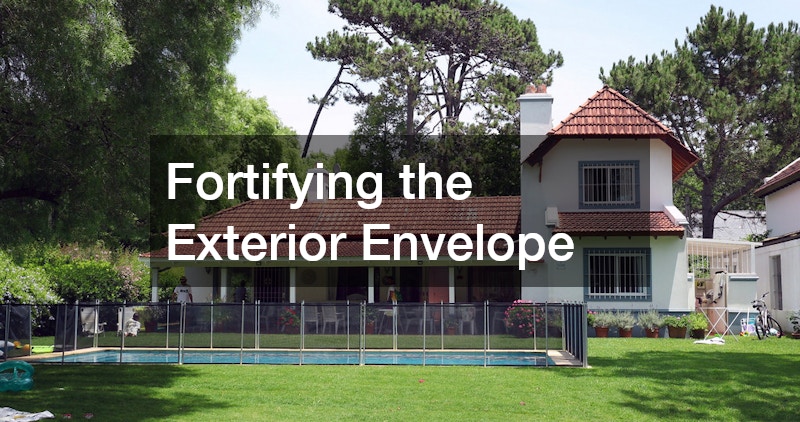
The primary barrier between your living space and intense weather is the exterior envelope of the structure. When severe weather systems bring high winds, standard entryways and windows can fail under intense pressure differentials. Upgrading these critical components minimizes the risk of structural breaches. When wind forces find a way inside a building, they generate internal pressure that pushes upward on the roof while the external wind pulls it upward from the outside, creating a destructive lifting effect.
-
Select reinforced entryways that feature heavy-duty steel or solid wood cores coupled with multi-point locking systems. An impact front door provides a formidable barrier against both debris and forced entry.
-
Ensure that frame installations use heavy-gauge screws anchored directly into the wall studs, rather than just the cosmetic trim, to prevent the entire assembly from bowing under intense wind loads.
-
Evaluate your home glazing systems. Installing hurricane windows and doors protects your interior from shattering glass and prevents the dangerous internal pressurization that often blows roofs off homes during major storms.
-
Apply high-grade exterior silicone caulk around all entry frames to create a watertight seal, blocking driven rain from seeping into the surrounding drywall.
Addressing Exterior Vulnerabilities Immediately
When a storm passes, the immediate aftermath requires swift action to stabilize the property and prevent secondary issues like mold growth or structural collapse. Identifying compromises in the building exterior right away keeps your family safe during the recovery phase. Homeowners must balance personal safety with structural preservation during these tense moments, ensuring they do not enter unstable areas until the physical surroundings are deemed structurally sound.
-
Conduct a thorough visual inspection of your property line after any severe weather event to check for cracked masonry, displaced siding, or shattered glass panes.
-
If structural elements are compromised, contact professionals who specialize in emergency storm damage mitigation to temporarily tarp, board up, or structurally brace the home.
-
Clear out clogged gutters and downspouts immediately after a storm to ensure that subsequent rainfall is routed away from the foundation.
-
Document all visible structural destruction with clear photographs and written notes before attempting any temporary cleanup or patching work for insurance purposes.
Maintaining Overhead Protection
A home is only as secure as the system shielding it from above. Minor leaks or displaced shingles can quickly turn into major structural headaches if water penetrates the underlying decking. The continuous layering of shingles, underlayment, and flashing forms a complex shield that requires regular maintenance to withstand seasonal temperature changes and intense downpours.
-
Examine the roof deck from inside the attic after heavy downpours, looking for water stains, damp insulation, or daylight shining through the boards.
-
Schedule professional roof repair at the first sign of curling shingles, missing flashing, or granular loss to prevent rot from spreading through the support trusses.
-
Keep nearby tree branches trimmed at least ten feet away from the roofline to prevent them from scraping against shingles or snapping off during high winds.
-
Inspect ventilation caps and ridge vents to ensure they are securely fastened and free from nesting insects or organic debris that blocks airflow.
Managing Hidden Plumbing and Utility Threats
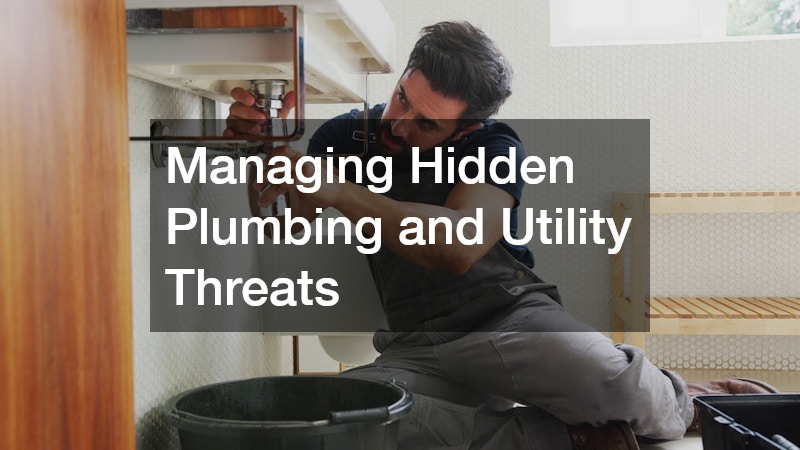
Some of the most destructive household hazards originate out of sight, deep within the plumbing and mechanical networks of the property. Biological hazards, water damage, and system failures can compromise the health of your family long before visible symptoms appear on your walls or floors. Staying ahead of these utilities requires a mixture of careful daily habits and regular technical maintenance.
Preventing Severe Wastewater Complications
Drainage systems are designed to move waste safely away from the living environment, but blockages or municipal failures can reverse this flow. Understanding how to manage and prevent wastewater failures is vital for maintaining a sanitary home. When municipal main lines become overwhelmed by sudden cloudbursts, the resulting backup will naturally seek the lowest exit point in nearby residential plumbing systems if defensive measures are missing.
-
Avoid disposing of cooking fats, fibrous vegetables, or flushable wipes down household drains, as these items are the primary causes of deep pipe blockages.
-
Install a backwater valve on the main waste line, which acts as a one-way gate to prevent a backed-up sewage situation from entering your basement or ground-floor drains during heavy rain.
-
Learn the location of your main sewer cleanout access point so that emergency plumbing professionals can quickly clear obstructions without searching your yard.
-
Schedule a professional mainline camera inspection every few years to check for intrusive tree roots that may be slowly fracturing underground clay or cast-iron pipes.
Regulating Pressurized Hot Water Systems
The mechanical systems that provide daily comforts also require careful monitoring to prevent mechanical failures. The equipment responsible for heating your water operates under constant pressure and thermal stress, making it one of the hardest-working appliances in the entire household footprint.
-
Test the temperature and pressure relief valve at least once a year by lifting the lever to ensure it releases water and closes securely without dripping.
-
Flush the sediment out of your water heater annually to prevent mineral buildup, which insulates the heating element and causes the tank bottom to overheat and weaken over time.
-
Set the thermostat to a maximum of 120 degrees Fahrenheit to eliminate the risk of accidental scalding, particularly if young children or elderly relatives live in the home.
-
Install a metal catch pan underneath the storage tank with a dedicated drain line leading outdoors to mitigate property damage if the inner liner eventually rusts through.
Upgrading Fire Prevention Infrastructure
Fire remains one of the fastest-moving threats to residential safety. While smoke detectors provide the early warnings necessary for evacuation, modern home layouts benefit immensely from active suppression technologies that fight flames before emergency services can arrive at the scene.
Integrating Mechanical Suppression Systems
Modern building practices increasingly focus on stopping fires at their point of origin. Integrating dedicated water-based suppression systems into the home layout provides an automated defense system that operates even when the family is sound asleep. These systems release water only in the specific zone where extreme heat is detected, limiting both fire spread and potential water damage.
-
Consult with a licensed engineer to create a specialized fire sprinkler design that ensures proper hydraulic calculations and complete coverage for all living zones.
-
Make sure that piping materials used in the suppression system are certified for residential use, featuring corrosion-resistant properties to ensure decades of reliability.
-
Keep a clearance of at least eighteen inches around all individual sprinkler heads, ensuring that furniture, curtains, or shelving units do not block the spray pattern.
-
Confirm that the main water control valves for the suppression system are locked in the open position so the lines remain continuously pressurized.
Maintaining Traditional Fire Safety Equipment
Automated systems work best when paired with traditional, manual tools that family members can use to handle localized issues before they expand out of control.
-
Place multi-purpose fire extinguishers in high-risk zones, such as the kitchen, garage, and furnace room, making sure they are mounted visibly along exit paths.
-
Create a comprehensive family evacuation plan that identifies two ways out of every room, and practice these drills at night to build muscle memory.
-
Check the manufacturing dates on your smoke alarms; replace the entire unit every ten years, and swap out the batteries twice a year during daylight saving time changes.
-
Install interconnected alarms so that if a smoke sensor triggers in a distant basement workshop, every alarm throughout the upper bedrooms sounds simultaneously.
Securing the Perimeter and Outdoor Spaces
The boundaries of your property serve as the first line of defense against external hazards while simultaneously keeping children and pets safely contained. Managing outdoor features requires balancing physical security with environmental maintenance, ensuring that your yard remains a functional extension of your safe indoor living space.
Enclosing Aquatic Recreation Zones
Backyard pools offer great recreation but represent a significant safety liability if left open to unsupervised access. Creating physical barriers around water features is the most effective way to prevent accidental submersions and provide essential security when the pool is not in active use.
-
Install self-closing and self-latching gates on all perimeters surrounding the pool area, ensuring the release mechanisms are positioned well out of the reach of small children.
-
Utilize structural pool screen enclosures to create an uninterrupted physical boundary that keeps out wildlife, filters out airborne debris, and prevents unauthorized entry.
-
Equip pool doors with audible alarms that sound throughout the main house whenever the boundary is breached, providing an immediate warning to parents.
-
Keep rescue equipment, including a life ring and a safety shepherd’s crook, mounted securely right next to the water zone for instantaneous deployment.
Establishing Sturdy Boundary Enclosures
A solid perimeter defines property lines, blocks wind, and keeps loved ones within safe bounds. Choosing the right structural materials and installation techniques ensures that these perimeters remain upright through years of weathering, freezing ground shifts, and high planetary winds.
-
Select pressure-treated lumber or weather-resistant vinyl to ensure that underground structural posts do not rot or succumb to insect damage over time.
-
Invest in professional wood fence installation services to ensure that support posts are set deep below the frost line in solid concrete bases, preventing the barrier from leaning.
-
Inspect the boundary quarterly for loose hardware, splintered sections, or gaps at ground level where small pets could dig their way out.
-
Apply a high-quality UV-resistant water sealant to natural timber surfaces every two years to prevent warping, cracking, and structural splitting caused by intense sun exposure.
Managing Large Vegetation Hazards
Mature trees add incredible aesthetic value and shade to a property, but aging, diseased, or poorly positioned trees can become severe liabilities during high wind events. Sudden structural branch drops pose an immediate threat to anyone standing underneath, while root systems can stealthily disrupt underground structures.
-
Monitor the health of large trees near the home, looking for signs of deep trunk decay, fungal growth around the base, or large sections of dead branches.
-
Hire professionals for complete tree removal if a large specimen shows signs of root instability, structural leaning toward the house, or extensive internal rot.
-
Plant new trees far enough from the foundation to prevent growing root systems from cracking concrete walls or disrupting subterranean utility lines.
-
Clear away accumulated dead leaves and organic yard waste from around the base of the trunk to discourage nesting pests and fungal infections from taking hold.
True home safety is not a single weekend project; it is an ongoing commitment to awareness and maintenance. By systematically addressing structural weaknesses, updating aging mechanical systems, and reinforcing the perimeter, you transform your home into a resilient fortress capable of weathering both environmental storms and daily wear. The financial investments and time dedicated to these upgrades pay massive dividends in the form of structural longevity and family security. Take the time to audit your property, prioritize the most critical upgrades, and establish a seasonal maintenance routine that ensures your sanctuary remains truly safe for generations to come. Ultimately, protecting your household assets requires consistent observation and a willingness to act before a minor vulnerability escalates into a major crisis. Developing a detailed checklist for your bi-annual walk-throughs can keep these crucial protective measures organized and manageable.