
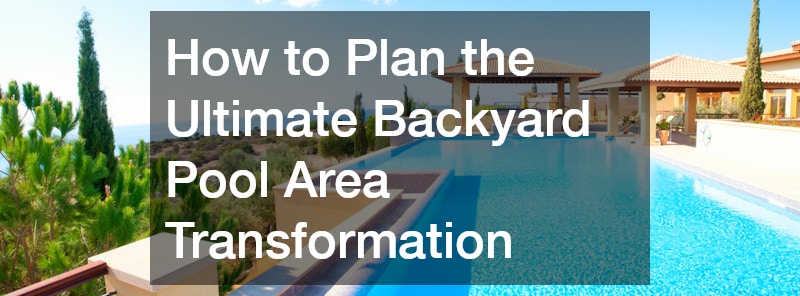
The modern backyard has undergone a radical evolution. No longer treated as a mere patch of turf with an isolated swimming basin, today’s premier residential properties treat the outdoor zone as a seamless, high-end extension of the indoor living envelope. A truly successful transformation elevates a standard yard into a private resort sanctuary, creating a space that masterfully balances architectural beauty, structural engineering, and peak operational efficiency.
However, embarking on a top-tier outdoor renovation is notoriously complex. Without a rigorous, analytical planning framework, projects of this magnitude frequently succumb to budget overruns, severe timeline delays, and conflicting design elements. The sheer variety of trades involved, ranging from structural engineers and masonry specialists to hydraulic experts and horticulturists, requires the homeowner to possess a clear foundational understanding of how these components interact. This comprehensive guide serves as your executive blueprint, detailing the technical, financial, and logistical steps necessary to execute a flawless, long-lasting backyard overhaul.
1. Assessing the Canvas and Structural Feasibility

Before selecting stone types or foliage palettes, you must perform a comprehensive spatial and regulatory audit of your property. Skipping this foundational step often results in catastrophic structural failures or forced compliance alterations midway through construction. Your property lines, local zoning ordinances, and environmental conditions dictate exactly what can be built, where it can be situated, and how large it can be.
Homeowners must begin by reviewing their property plat map to identify all utility easements, structural setbacks, and right-of-ways, as municipalities enforce strict setbacks from property lines for water features and permanent outbuildings. Additionally, conducting a subsurface and geotechnical evaluation is critical because high water tables, expansive clay soils, or hidden bedrock layers drastically alter excavation costs and engineering requirements. A soil stability test prevents future shifting, lifting, or cracking of heavy outdoor structures.
Climate considerations also play a major role, requiring you to map the sun’s trajectory across your yard throughout the seasons so that you can situate primary lounging zones where they receive optimal afternoon sun while positioning dining environments where natural windbreaks or architectural elements shield guests from harsh gusts. Finally, you must check all Homeowner Association rules to ensure compliance with architectural guidelines regarding material selection, boundary wall heights, equipment concealment, and exterior lighting limitations to avoid costly fines or construction halts.
2. Designing the Master Spatial Framework
A luxury outdoor environment functions seamlessly because its layout governs traffic patterns, sightlines, and functional interactions intuitively. Rather than viewing the pool deck, kitchen, and lawn as separate entities, treat them as interconnected chambers within a unified, masterfully engineered hardscape design. This architectural skeleton provides the crisp lines, transitions, and structural surfaces that elevate a space from chaotic to curated.
To implement this successfully, you must orchestrate a balanced dialogue between rigid engineering and organic life. While masonry and concrete provide essential structure, an expert landscaping service must be integrated concurrently to introduce softness, shade, seasonal color, and acoustic dampening. This balance breaks up visual monotony and keeps the environment feeling vibrant and alive.
3. Organizing and Coordinating Your Construction Crew
Executing a multi-faceted backyard transformation requires an array of highly specialized professionals. Attempting to manage this complex network via general labor often results in structural deficiencies and finger-pointing when timelines collapse. The absolute linchpin of your construction phase is a vetted, fully licensed pool contractor who possesses deep expertise in gunite application, structural reinforcing, and code-compliant plumbing loops.
Because modern outdoor zones often feature complex utility requirements, this professional must work hand-in-hand with licensed residential plumbers. These specialists handle the sophisticated secondary infrastructure, ensuring main gas loops for heaters, high-volume supply lines for heavy water features, and separate fresh-water lines for outdoor kitchens operate at peak hydraulic efficiency without dropping pressure.
When verifying credentials, you should always confirm active workers’ compensation, general liability insurance, and specialized trade licensing, while demanding a comprehensive portfolio of completed projects that are at least five years old to evaluate how their craftsmanship holds up over time. Mastery of the construction sequence is equally critical, meaning your team must establish a logical order where deep utility trenching, heavy excavation, and structural pouring occur before any finish materials or delicate landscaping assets arrive on site. Homeowners must also insist on a detailed contractual scope that avoids ambiguous quotes and explicitly specifies precise material schedules, exact equipment models, payment milestones tied to verified inspections, and clear penalty clauses for unexcused timeline overruns.
4. Optimizing Surface Engineering and Foot Traffic Comfort

The immediate perimeter of your water feature takes the brunt of daily environmental abuse, heavy foot traffic, and chemical exposure. If your existing concrete surrounding is cracked or structurally dated, a meticulously executed pool deck resurfacing can completely transform the aesthetic profile of the yard, converting hot, slick, or stained concrete into a high-traction, cool-to-the-touch, premium architectural masterpiece.
To further elevate the luxurious feel of the deck and mitigate the heat radiation of large masonry fields, think critically about material transitions. Integrating premium, high-density fake grass installations directly between stone pavers or along the outer margins creates a striking, geometric contrast. This modern technique provides a vibrant, emerald-green aesthetic that remains permanently manicured without requiring fertilizers or mowing machinery.
5. Implementing Proactive Hydraulic Control and Drainage
The most devastating threat to a premium backyard installation is unmanaged water runoff. When you add solid patios, retaining structures, and expansive pool decks, you fundamentally alter how rainwater behaves across your property. Implementing a robust, professionally designed drain installation is an absolute necessity to direct rainwater away from structural foundations and prevent dirty surface mud from polluting your pristine pool water.
Furthermore, evaluating this hydraulic framework must be done in lockstep with local pool services companies who will maintain the property long-term. These operational experts understand how the local climate, seasonal downpours, and specific wind patterns impact water movement, allowing them to provide invaluable feedback on equipment pad positioning and protective overflow systems.
6. Transitioning to Advanced Environmental Water Chemistry
A true backyard oasis must look clear, feel silky, and offer a comfortable swimming environment free from harsh chemical side effects. Progressive homeowners are completely moving away from traditional, high-volume chemical dosing, instead choosing eco-friendly swimming pool acid alternatives like automated carbon dioxide injection systems and advanced inline UV-ozone sanitizers to safely manage pH and pathogens.
To sustain these specialized, low-chemical water treatment systems seamlessly over the life of your pool, you must secure a dependable procurement pipeline. Aligning your property with a premier supplier of premium local pool supplies ensures you have immediate access to high-grade filter elements, calibrated digital testing reagents, and specialized minerals that preserve your plaster finish and internal equipment.
Automated carbon dioxide systems work by injecting pressurized carbon dioxide into the water stream, which creates a natural, mild carbonic acid that safely lowers pH levels and completely eliminates the need to store or handle highly corrosive, dangerous liquid muriatic acid. Homeowners should pair this with a secondary sanitation infrastructure, integrating powerful ultraviolet sterilization chambers or advanced hydroxyl-based ozone systems that dramatically lower the overall chlorine demand by destroying chloramines that cause eye irritation and strong odors. To keep all of these elements running perfectly, implement water quality standardization by investing in high-end, digital smart-monitoring systems that constantly track salt, pH, and oxidation-reduction potential, allowing for micro-adjustments before water chemistry shifts out of balance.
7. Maximizing Efficiency via Modern Equipment Upgrades
A premier backyard transformation must be as engineered as it is beautiful. Traditional single-speed filtration pumps are notoriously inefficient, often representing one of the single largest consumers of electricity on a residential property. Modernizing your mechanical equipment pad not only drives down operational overhead but also significantly reduces the acoustic footprint of your filtration setup.
Variable-speed pump integration should be the cornerstone of your equipment upgrade, as switching to a modern, programmable variable-speed pump allows you to run filtration loops at much lower RPMs for longer periods. This hydraulic optimization can cut your pool-related energy consumption by up to seventy to eighty percent annually. Homeowners can build on these energy savings by utilizing high-capacity cartridge filtration, replacing old sand or diatomaceous earth filters with large-element cartridge filtration systems that provide pristine water clarity while eliminating the need to backwash thousands of gallons of treated water down the city drain. To make the entire system completely usable throughout the year, look into premium heat pump technologies, utilizing high-efficiency inverter heat pumps or solar thermal arrays to extend your swimming season into early spring and late autumn by extracting ambient heat from the air at a fraction of the cost of traditional natural gas heaters.
8. Cultivating a Cohesive, Smart Landscape Environment
The botanical selections framing your hardscape dictate the long-term maintenance requirements and overall architectural mood of your outdoor sanctuary. Poorly selected plant species can drop destructive debris into the water, invade underground utility lines with aggressive root networks, or block vital lines of sight as they mature over time.
To minimize maintenance, prioritize a debris-conscious botanical selection, avoiding messy species like eucalyptus, jacaranda, or certain varieties of pine near the water, and opting instead for clean, evergreen architectural flora, ornamental grasses, or palm varieties that shed minimally. Invasive root mitigation is another non-negotiable factor, requiring you to ensure that all large shade trees or structural shrubs feature non-invasive, taproot characteristics rather than aggressive lateral roots that can shift concrete pool shells, crack plumbing loops, or buckle pavers. The overall aesthetic should follow a multi-tiered softscape architecture, structuring your plantings in clear visual layers where taller, privacy-enhancing trees sit along the exterior boundary lines, medium-sized architectural shrubs occupy intermediate spaces, and low-growing ground covers line the primary traffic areas.
9. Engineering Layered Lighting and Smart Automation Systems
To extract maximum value from your backyard transformation, the space must be designed to perform elegantly at night. A sophisticated, low-voltage illumination scheme transforms the property after sunset, emphasizing architectural textures, illuminating water movement, and ensuring complete safety along paths and stairways.
Modern properties thrive on unified automation ecosystems that connect your filtration, water chemistry, heaters, landscape lighting, and water features into a single digital automation panel, allowing you to activate custom spa night or party profiles instantly via your smartphone or home voice system. The lighting itself should be structured as a layered landscape illumination, combining subtle path lighting with targeted uplighting on focal trees and structural grazing across natural stone walls to create depth while avoiding harsh, unpleasantly bright spotlights. Homeowners can complete the evening atmosphere by integrating advanced underwater LED systems, replacing outdated incandescent niche lights with low-voltage, programmable LED arrays that allow you to dynamically alter the color profile of the water to complement the evening’s mood.
10. Finalizing Luxury Amenities and Furniture Selection

The final layer of a world-class outdoor transformation centers on the curated selection of interactive amenities and high-end furnishings. These elements bridge the gap between architectural hardscaping and human comfort, transforming structural patios into deeply inviting spaces designed for extended relaxation and luxury entertaining.
When furnishing the space, you must look for high-performance outdoor textiles, selecting furniture upholstered exclusively in solution-dyed acrylic fabrics because these advanced materials repel water, dry rapidly, and resist severe fading caused by intense ultraviolet rays and regular chlorine contact. To add warmth and extend your gatherings into the night, introduce integrated fire architecture, such as a custom linear gas fire table or a deep-seated fire pit lounge area positioned strategically to create a strong visual counterpoint to the water feature. Finally, the ultimate backyard oasis should include gourmet kitchen engineering, equipping your outdoor culinary station with durable marine-grade stainless steel appliances, premium built-in grills, weather-sealed refrigeration, and non-porous quartzite surfaces designed to withstand constant exposure to the elements.
Embarking on a comprehensive backyard pool area transformation is undeniably a significant investment of capital, time, and emotional energy. However, by adhering to a meticulous, multi-tiered planning process rooted in structural viability, premium material selection, and advanced operational technology, you minimize risks and ensure an extraordinary outcome. The key to a seamless execution lies in treating the entire yard as a single, living ecosystem where hardscaping, landscaping, mechanics, and design work together in perfect harmony.
When completed with care and precision, your newly reimagined outdoor environment will pay continuous dividends for decades to come. It will elevate your day-to-day lifestyle, serve as the ultimate backdrop for milestone family celebrations, and establish a deeply rejuvenating private sanctuary that enhances your health and peace of mind. By mapping out your primary goals and assembling your expert team, you can confidently turn your ultimate outdoor vision into a breathtaking residential reality.