
Keeping a family safe involves much more than locking the front door at night or setting up a modern security system. Many of the most severe hazards in a residential property remain quietly tucked away in plain sight, hidden behind cabinet doors, concealed within walls, or quietly degrading in the backyard. Homeowners often become accustomed to minor defects, unusual noises, or slight delays in system performance, dismissing them as mere quirks of an aging building. However, these small warning signs can rapidly evolve into dangerous emergencies, threatening structural integrity, severe financial burden, or direct bodily harm to loved ones. Understanding these hidden dangers and knowing when to intervene allows families to take proactive measures before a crisis occurs. By systematically evaluating both the interior infrastructure and the exterior grounds, property owners can cultivate a living environment that is genuinely secure, resilient, and built to stand the test of time.
Unseen Exterior Structural Risks
Hidden Threats in the Yard and Surrounding Grounds
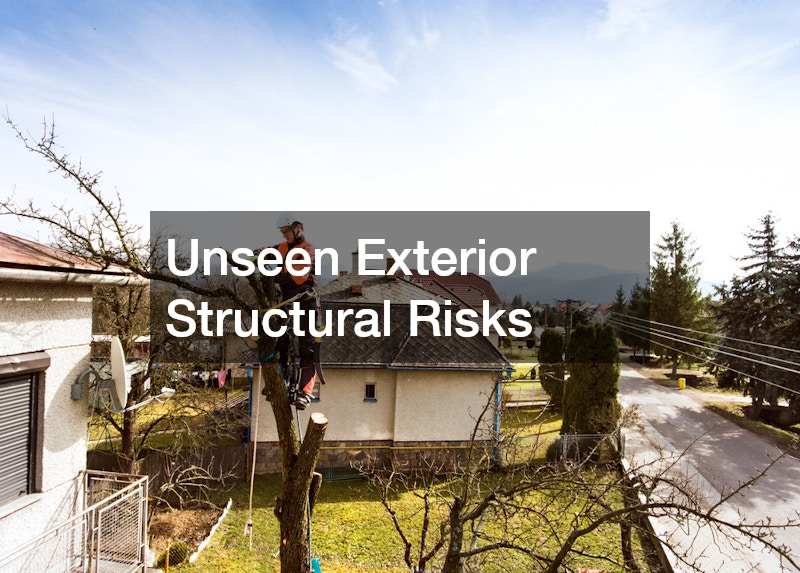
The outdoor areas surrounding a residence provide space for play, relaxation, and entertainment, but they also host several hidden hazards that require routine inspection. Trees, in particular, present significant risks when their internal structures deteriorate unseen by the untrained eye. A tree that appears healthy and vibrant during the summer months may actually suffer from internal decay, hollow trunks, or fungal rot, making it highly susceptible to sudden collapse during unexpected weather events. Weak branches hanging near rooflines, power wires, or play zones represent immediate dangers to anyone nearby. When severe storms strike, heavy limbs can snap without warning, or entire root systems can fail, causing massive property damage or physical injuries. Recognizing early indicators of decline, such as premature leaf drop, unusual trunk lean, or severe cracks along major limbs, helps homeowners determine when to hire a tree removal service to mitigate the hazard before an disaster unfolds.
In addition to decaying timber, structural boundaries around a yard demand careful monitoring to protect small children and pets. Aging perimeter barriers often develop sharp rust spots, loose wooden slats, or degraded structural posts sunk deep into the ground. A failing boundary fails to keep curious toddlers inside the safe zone and simultaneously allows stray animals or unwanted trespassers to enter the property. Inspecting these structures for soft wood, rusting fasteners, or loose footing is a critical safety step. Homeowners who discover unstable support posts, rusted wire mesh, or tilting panels should quickly reach out to a professional fence contractor to repair or replace the damaged perimeter before an accidental escape or intruder entry occurs.
Routine Visual Checks for High-Risk Foliage
Homeowners should make a habit of visually scanning large trees after any major windstorm or heavy rainfall. Look specifically for fresh soil heaving near the base of the trunk, which indicates that roots are lifting out of the earth. Check the primary canopy for dead branches caught in upper boughs, as these loose pieces can fall unpredictably on windy days.
Managing Acute Backyard Emergencies
When severe weather snaps major limbs or leaves a large tree hanging precariously over a bedroom, driveway, or power line, immediate intervention becomes necessary. Delaying action during such events greatly increases the risk of structural roof collapse or dangerous electrical fires. In these high-stakes situations, property owners must contact a specialized emergency tree removal team to clear the heavy debris safely without causing further damage to the surrounding structure.
Securing Perimeter Entry Point Barriers
Checking the structural integrity of boundary barriers involves physically testing each panel and post for excess wiggle or rot. Pay close attention to latch mechanisms on pool gates and driveway barriers to ensure they click shut automatically without sticking. If a latch fails to catch, install a heavy-duty replacement hardware kit immediately to maintain a child-safe boundary.
Ineffective Entry and Perimeter Safeguards

Mechanical Deficiencies in Exterior Doors and Locks
Securing the physical boundary of a home requires fully functional hardware on every exterior door. Over time, standard deadbolts and door latches can become misaligned due to seasonal house settling or simple wear and tear. When a bolt fails to extend fully into the door frame strike plate, the lock provides only a fraction of its intended strength, leaving the entryway vulnerable to kick-ins or simple physical pressure. Furthermore, old keys can wear down, getting stuck or breaking off inside the keyway during routine use. When a lock shows signs of sticking, binding, or slop, calling in an experienced local locksmith ensures that the internal cylinders are re-keyed, lubricated, or completely replaced with robust high-security hardware.
Beyond standard mechanical deadbolts, exterior entry points like garage access doors, side gates, and patio entries often suffer from neglected mechanical hardware. Latching hardware exposed to constant weather fluctuations will corrode, causing spring mechanisms to seize up entirely. This leaves entryways resting unlatched even when they appear closed from a distance. Regular lubrication with dry graphite or silicone spray helps prevent corrosion, but severely degraded units require complete replacement to maintain physical home security.
Auditing Door Strikes and Deadbolt Alignments
Test every exterior door by locking it from the inside and pushing firmly against the panel. If the door moves significantly or the deadbolt chatters against the frame, the strike plate needs adjustment. Installing longer three-inch wood screws through the strike plate directly into the wall studs significantly increases resistance against forced entry.
Updating Perimeter Hardware Capabilities
To eliminate the safety risk of misplaced or duplicated physical keys among family members and service workers, modern residential properties benefit from upgraded digital hardware. Property owners can streamline secure entry by opting for an expert access control installation, which replaces traditional keyways with encrypted keypads, smart locks, or biometric scanners for controlled and monitored entry.
Safeguarding Driveways and Outdoor Passageways
High-traffic outdoor entryways, including side passages and driveway borders, require sturdy barriers that close automatically. Inspect hinge tension regularly on all heavy exterior gates to guarantee they do not rest open. Adding heavy-duty drop rods and weatherproof latch guards prevents wind from blowing entryways open and deters unauthorized access.
Hazardous Electrical and Gas Utility Failures
Hidden Dangers Within Modern Energy Systems
Household energy infrastructure keeps homes comfortable, but aging or improperly converted systems present severe combustion, gas leak, and carbon monoxide hazards. Many older homes still rely on heating systems powered by heavy fuel oil stored in underground or basement tanks. As these tanks age, corrosion can cause small pinhole leaks that release dangerous toxic fumes into lower living areas or leach oil into surrounding soil. Additionally, older oil burners are less efficient and can produce soot accumulation, increasing the risk of dangerous heat exchanger breaches. Property owners looking to eliminate fuel storage hazards while lowering carbon emissions often choose a full oil to gas conversion, replacing outdated oil equipment with clean-burning, highly efficient natural gas infrastructure.
Regardless of the fuel source, any combustion-based heating appliance poses a life-safety risk if the ignition, venting, or flame sensing systems malfunction. A cracked heat exchanger in a furnace can spill odorless, colorless carbon monoxide gas directly into the household air distribution network. Warning signs like unusual clicking noises during startup, yellow burner flames instead of crisp blue ones, or burning smells near vents indicate that the system is failing and requires urgent professional diagnostic evaluation.
Identifying Signs of System Exhaust Failure
Homeowners should regularly inspect visible exhaust flues connected to furnaces, boilers, and water heaters. Look for white powdery deposits, rust flakes, or loose joint connections along the metal piping. Any physical gap in an exhaust flue allows deadly combustion gases to accumulate inside utility closets and basement spaces.
Handling Cold-Weather Heating Failures
When a heating unit shuts down completely during freezing winter temperatures, the home rapidly loses ambient heat, placing indoor plumbing at immediate risk of freezing and bursting. In these critical situations, relying on temporary space heaters creates severe fire hazards. Homeowners must contact a qualified professional for emergency heater repair to diagnose faulty igniters, broken thermostats, or failed blower motors safely.
Carbon Monoxide Detector Maintenance Protocols
Install dual-sensor carbon monoxide and smoke alarms on every level of the home and directly outside all sleeping rooms. Test these units monthly by pressing the integrated test button, and replace the internal batteries twice per year. Any alarm older than seven to ten years must be completely retired and replaced with a modern unit.
Plumbing System Vulnerabilities and Contamination
Hazards Inherent to Domestic Water Systems
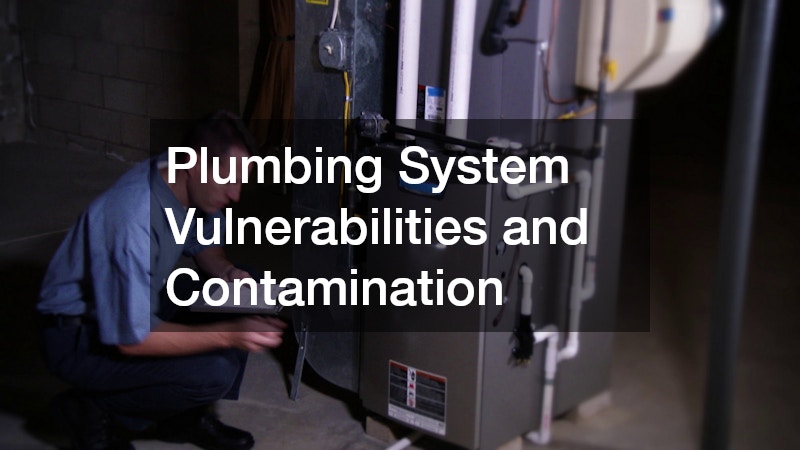
Water is essential for daily living, but unmanaged residential plumbing systems present dual hazards: catastrophic structural flooding and chemical or biological contamination. Water heaters, for instance, operate under continuous pressure and constant thermal stress. Over years of operation, sediment builds up at the bottom of the tank, creating localized hot spots that weaken the metal casing. Corrosion can also destroy the internal sacrificial anode rod, causing the tank wall to rust through from the inside out. A sudden water heater tank rupture can dump dozens of gallons of scalding water directly into surrounding living areas within minutes, causing massive property destruction and burn risks. Performing timely water heater repairs at the first sign of slow heating, rusty water, or minor valve dripping prevents sudden structural failures.
In addition to thermal and pressure hazards from water heating appliances, the chemical quality of the main water supply coming into a home requires careful oversight. Municipal supplies can suffer from main breaks, chemical runoff, or aging lead distribution lines, while private wells are vulnerable to bacterial blooms and heavy metal contamination. Drinking water contaminated with lead, nitrates, microplastics, or excessive chlorine can lead to long-term health complications for growing children and adults alike. Modern homes benefit greatly from installing a high-capacity whole-house water filtration system to strip out dangerous heavy metals, dissolved chemical contaminants, and biological agents right at the main shutoff point.
Flushes and Valve Checks for Hot Water Tanks
To prevent dangerous sediment accumulation, homeowners should drain several gallons of water from the bottom drain valve of their water heater twice a year. Additionally, manually lift the temperature and pressure relief valve lever on top of the unit to confirm that it opens smoothly and discharges water properly without binding shut.
Assessing Drinking Water Quality at the Tap
Monitor home tap water for unexpected changes in clarity, taste, or odor, such as metallic twangs or sulfurous rotten-egg smells. Utilizing certified home water testing kits once per year allows families to detect odorless contaminants like lead, nitrates, or volatile organic compounds that are impossible to spot visually.
Protecting Internal Pipe Networks from Excessive Pressure
High municipal water pressure can stress internal pipe joints, flexible supply lines, and appliance valves, leading to sudden pinhole leaks or burst lines behind drywalls. Install a water pressure gauge on an outdoor hose bib; if the reading exceeds eighty pounds per square inch, hire a plumber to install or adjust a pressure-reducing valve.
Environmental, Chemical, and Fire Hazards Inside the Envelope

Household Chemical Storage and Air Quality Hazards
The interior space of a home often contains a wide range of chemical compounds, cleaners, and solvent products that pose severe health hazards if stored incorrectly. Cleaning products containing ammonia and bleach, if placed together beneath kitchen sinks, can react to create chloramine gas, which causes severe respiratory damage upon inhalation. Additionally, volatile organic compounds slowly off-gas from stored paints, wood finishes, pesticides, and synthetic building materials, degrading indoor air quality and contributing to chronic headaches, allergies, or long-term organ damage. Storing these items in unventilated living spaces or within easy reach of curious children creates a major safety risk that requires immediate structural reorganization.
Fire safety hazards also hide in places that homeowners rarely think to inspect. Clothes dryer exhaust ducts accumulate highly flammable lint over time, especially if the ductwork is made of flexible foil or plastic accordion tubing rather than smooth rigid metal. When lint blocks airflow, the thermal limit switch on the dryer can fail, allowing internal temperatures to soar and igniting the accumulated lint mass. Similarly, overloaded electrical extension cords tucked under rugs or pinched behind heavy furniture can overheat, melt their protective insulation, and ignite surrounding carpet fibers without warning.
Organizing Toxic Chemical Storage Zones
Move all household chemicals, lawn care fluids, and cleaning products into a dedicated, locked cabinet located in a cool, well-ventilated area like a garage or shed. Ensure all containers retain their original manufacturer labels so safety warnings and ingredient lists remain clearly readable during an accidental exposure event.
Clearing Laundry Dryer Flues and Vent Pathways
Disconnect the dryer exhaust tube annually and clean out all accumulated lint using a specialized rotary vent brush attachment. Replace any flexible plastic or thin aluminum foil transition ducts with rigid metal piping to minimize lint collection points and eliminate fire hazards.
Managing Indoor Electrical Load Safe Zones
Inspect every outlet strip and extension cord across living spaces to ensure they are not warm to the touch or powering multiple high-draw appliances like space heaters, microwave ovens, or air conditioners. Replace frayed cords immediately, and install arc-fault circuit interrupter outlets in bedrooms and living areas to cut power automatically if an electrical arc occurs.
Addressing home hazards effectively requires moving away from reactive fixes and adopting a systematic, preventive maintenance mindset. Every homeowner should establish a detailed schedule for inspecting major appliances, structural boundaries, and environmental protection systems. By identifying minor defects early—such as a small water leak, a slightly misaligned lock, or a leaning tree branch—families can arrange for necessary professional repairs before a situation turns into an emergency.